
 chinahuijue@gmail.com
 +1 (702) 204-9855
PV Inverter Overheating: How to Protect Solar Systems in 40°C+ Heat
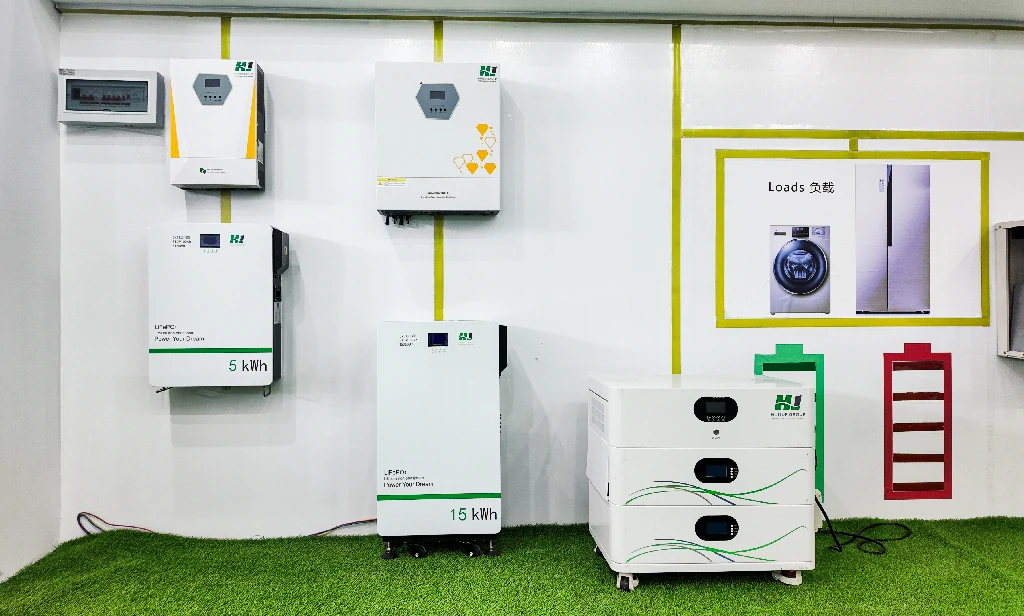
When summer temperatures hit 40°C+ across China and many global regions, every component of a solar PV system faces thermal stress — but none more critically than the inverter. As the “brain” of any PV system, the inverter houses sensitive power electronics that can degrade, derate, or fail outright under sustained high temperatures.
1. How Heat Damages Inverter Components
Photovoltaic inverters integrate inductors, capacitors, power semiconductor modules (IGBTs/MOSFETs), and control circuitry — each with distinct thermal vulnerabilities:
| Component | Temp Sensitivity | Failure Mode | Consequence |
|---|---|---|---|
| Aluminium Electrolytic Capacitors | Extreme — every 10°C rise halves lifespan | Electrolyte dry-out, ESR increase, capacitance loss | DC bus ripple increases → output instability → eventual burst |
| IGBT / MOSFET Power Modules | High — junction temp limit 125–150°C | Thermal runaway, latch-up, bond wire fatigue | Sudden shutdown; repeated events cause permanent damage |
| Magnetic Inductors | Moderate — core saturation at high temp | Saturation → current spike → overcurrent protection trips | Power device burnout risk; efficiency drops |
| PCB & Solder Joints | Moderate — CTE mismatch stress | Micro-cracks, solder fatigue, delamination | Intermittent faults; hard to diagnose; cumulative |
| Film Capacitors | Low — better heat tolerance | Gradual capacitance drift | Minor; but higher cost & larger size limit adoption |
2. Thermal Design: How Manufacturers Fight the Heat
Premium inverter brands employ multi-layer thermal management strategies. Here’s how the technologies compare:
| Cooling Technology | How It Works | Pros | Cons | Best For |
|---|---|---|---|---|
| Passive Heat Sink | Large aluminium fins conduct heat away from components | No moving parts, zero noise, maintenance-free | Limited cooling capacity; larger physical size | Residential & small C&I inverters (≤50kW) |
| Variable-Speed Fan | Smart fans activate based on internal temp sensors | Targeted cooling; energy-efficient at partial load | Fan failure risk; dust ingress; noise | Medium C&I inverters (50–250kW) |
| Aluminium Die-Cast Chassis | Chassis itself serves as heat spreader; fuses structure with cooling | IP65 protection; no external vents; superior heat dissipation | Higher manufacturing cost; heavier | Premium brands; harsh environments |
| Liquid Cooling | Coolant circulates through cold plates attached to power modules | Highest cooling density; handles 250kW+ systems | Complexity; pump maintenance; coolant degradation | Utility-scale central inverters (500kW+) |
| Thermal Silicone + Heat Pipes | High-conductivity interface materials + phase-change heat transfer | Eliminates hot spots; compact design | Cost; thermal interface aging over time | High-power-density designs |
What Top Brands Do Differently
| Brand | Thermal Approach | Max Ambient Rating | Derating Threshold |
|---|---|---|---|
| Huawei SUN2000 | Smart fan + die-cast aluminium | 55°C | Derates at 45°C |
| Sungrow SG Series | Dual-zone cooling, rear fin + fan | 60°C | Derates at 50°C |
| Huijue HJ Series | Integrated chassis heat sink, IP65 fanless option | 50°C | Derates at 45°C |
| Ginlong Solis | Optimised fin design + smart fan | 50°C | Derates at 45°C |
3. Derating: The Hidden Energy Loss
When internal temperatures exceed threshold, inverters automatically reduce output power to protect components. This “derating” is the invisible yield killer during summer:
| Ambient Temp | Typical Output | Daily Energy Loss (10kW system) | Monthly Revenue Impact ($0.12/kWh) |
|---|---|---|---|
| 35°C | 100% | 0 kWh | $0 |
| 40°C | 95% | 2–3 kWh/day | $7–11 |
| 45°C | 85% | 5–8 kWh/day | $18–29 |
| 50°C+ | 70% or shutdown | 10–15 kWh/day | $36–54 |
4. Installation Best Practices for Hot Climates
| Factor | Recommendation | Why It Matters |
|---|---|---|
| Location | Shaded, north-facing wall (Southern Hemisphere: south-facing); avoid direct sunlight | Direct sun raises surface temp 10–15°C above ambient |
| Ventilation | Min. 30cm clearance on all sides; avoid enclosed metal boxes | Stagnant air creates thermal pockets that trap heat |
| Sunshade | Install rigid sunshade 50cm above inverter; slatted for airflow | Reduces radiant heat gain while allowing convection |
| Multi-Inverter Spacing | Min. 50cm between side-by-side inverters | Prevents cumulative heat build-up from adjacent units |
| Mounting Height | 1.5–1.8m from ground; avoid ground-level installation | Ground-level air is hotter and dustier; easier maintenance access |
| Avoid Heat Sources | Keep away from AC units, chimneys, generator exhaust | Waste heat from nearby equipment compounds thermal load |
5. Maintenance Checklist: Summer Heat Edition
| Task | Frequency | Action | Warning Signs |
|---|---|---|---|
| Heat sink inspection | Monthly (summer) | Check for dust/debris; clean with compressed air or soft brush | Visible dust layer; discoloured fins |
| Fan operation test | Monthly (summer) | Verify fan spins freely; listen for unusual noise | Bearing noise; intermittent stopping; no airflow |
| Temperature log review | Weekly | Check monitoring platform for over-temp alerts & derating events | Frequent derating; temp spikes above 70°C |
| Ventilation path check | Quarterly | Ensure no obstructions around intake/exhaust; trim vegetation | Reduced airflow; plants/objects blocking vents |
| Sealing & gasket check | Bi-annually | Inspect door seals, cable glands for degradation | Water ingress; dust inside enclosure |
| Firmware update | As released | Update thermal management algorithms & protection thresholds | Outdated derating curves; missed optimization |
6. Cost of Neglect vs. Investment in Quality
| Scenario | Year 1 | Year 3 | Year 5 | Year 10 |
|---|---|---|---|---|
| Budget inverter (poor thermal design, sun-exposed, no maintenance) | -8% yield; minor warnings | -15% yield; capacitor swelling; fan failure | Shutdown; $2K+ repair | Full replacement ($3–5K) |
| Quality inverter (good thermal design, shaded, maintained) | -2% yield; no warnings | -3% yield; clean operation | -5% yield; minor service | Still operational; capacitor refresh |
| Difference per 10kW system | Save ~$150 | Save ~$800 | Save ~$2,500 | Save ~$5,000+ |
7. Choosing a Heat-Resilient Inverter: 7-Point Checklist
- Max ambient temperature rating ≥50°C — Check the datasheet, not the marketing brochure
- Derating curve starts at 45°C or higher — Lower thresholds mean more energy loss
- IP65 rating minimum — Prevents dust ingress that clogs cooling paths
- Fanless or sealed-fan design — Fewer moving parts = fewer failure points in dusty environments
- Aluminium die-cast chassis — Superior passive heat dissipation vs. sheet metal
- 10-year warranty with thermal coverage — Ensure derating-related degradation is covered
- Remote temperature monitoring — Real-time alerts for over-temp events via app/portal
8. Real-World Impact: Summer 2026 Case Examples
| Location | Ambient Temp | Inverter Type | Issue | Resolution | Result |
|---|---|---|---|---|---|
| Xinjiang, China (utility 5MW) | 47°C peak | Central inverter, fan-cooled | Daily derating 15%; 3 fan failures in 2 months | Added shade structures; upgraded to IP65 fanless string inverters | Yield recovered 12%; zero fan failures since |
| Dubai, UAE (C&I 500kW) | 44°C sustained | String inverter, wall-mounted in sun | Surface temp 62°C; daily shutdowns 11am–3pm | Relocated to shaded north wall; added ventilation louver | Eliminated shutdowns; +8% summer yield |
| Sichuan, China (residential 10kW) | 40°C + humidity | Budget inverter, no shade | Capacitor failure at 18 months; $800 repair | Replaced with Huijue HJ-10K (IP65, fanless); added sunshade | 3 years trouble-free; monitoring shows max 58°C internal |
FAQ
What temperature is too hot for a PV inverter?
Most inverters are rated for 45–60°C ambient. However, internal component temperatures (especially IGBT junctions) should stay below 125–150°C. When ambient exceeds 45°C, most inverters begin derating. Prolonged operation above 50°C significantly accelerates aging.
How much does high temperature reduce inverter lifespan?
For aluminium electrolytic capacitors, every 10°C rise halves lifespan. A capacitor rated for 10,000 hours at 40°C may last only 1,250 hours at 85°C. A quality inverter operating consistently at 55°C may lose 30–40% of its expected 10-year lifespan.
Do solar inverters shut down when overheating?
Yes. Modern inverters trigger derating first (reducing output power), then full shutdown if temperatures continue rising. This prevents thermal breakdown but causes energy production losses during peak sunlight hours — precisely when generation should be highest.
What is the best cooling method for PV inverters in hot climates?
Passive cooling (large heat sinks + die-cast aluminium chassis) is preferred over fan cooling because fans have moving parts that fail and draw power. Premium inverters combine both: large rear fin heat sinks for passive dissipation plus variable-speed fans that activate only when needed. IP65-rated, fanless designs perform best in dusty, hot environments.
How often should I clean my inverter’s cooling system?
In dusty or hot environments, inspect and clean heat sinks and fans at least monthly during summer. In cleaner environments, quarterly inspection is sufficient. Key warning signs: unusual fan noise, frequent over-temperature warnings, and visible dust on rear fins.
Can I install a PV inverter in direct sunlight?
No. Direct sunlight raises inverter surface temperature by 10–15°C above ambient, triggering derating and reducing energy yield by 5–10% during peak hours. Always install in shaded, well-ventilated locations. For outdoor installations, add a sunshade with adequate airflow.
Conclusion: Heat Is Not the Enemy — Poor Preparation Is
As global temperatures rise and solar deployment expands into increasingly hot regions, inverter thermal resilience has become a critical differentiator. The math is simple: investing in quality thermal design and proper installation returns 10:1 over a system’s lifetime.
Three actionable takeaways:
- Buy right — Choose inverters rated ≥50°C ambient with IP65 protection and proven thermal design
- Install smart — Shade, ventilation, and spacing cost almost nothing but save thousands
- Maintain regularly — Monthly heat sink cleaning during summer prevents 80%+ of thermal failures
Need a Heat-Resilient Inverter for Your Solar Project?
Huijue offers IP65-rated PV inverters with integrated die-cast aluminium thermal management, designed for sustained operation in 50°C+ environments. Contact our team for site-specific recommendations, or explore our product range for C&I and utility-scale solutions.
📖 Related: Solar Energy Storage Intermittency Solutions | Energy Storage Cabinet Guide | How to Choose a BESS Integrator