
 chinahuijue@gmail.com
 +1 (702) 204-9855
US Renewable Energy Policy Changes: Why Solar and Energy Storage Remain Critical for Grid Stability
On August 20, President Donald Trump made another bold statement on Truth Social—claiming that even in regions facing power shortages, his administration would stop approving new solar or wind energy projects. He declared, “We will no longer approve wind or solar projects that destroy farmland. The era of American stupidity ends now!”
This statement sent shockwaves through the industry. In fact, just last month, the federal government had already tightened approval processes for renewable energy projects, with all final decisions now resting with Interior Secretary Doug Burgum. Projects that were progressing smoothly before now face the risk of being halted. Trump’s latest comments have further heightened the concerns of businesses in the sector.
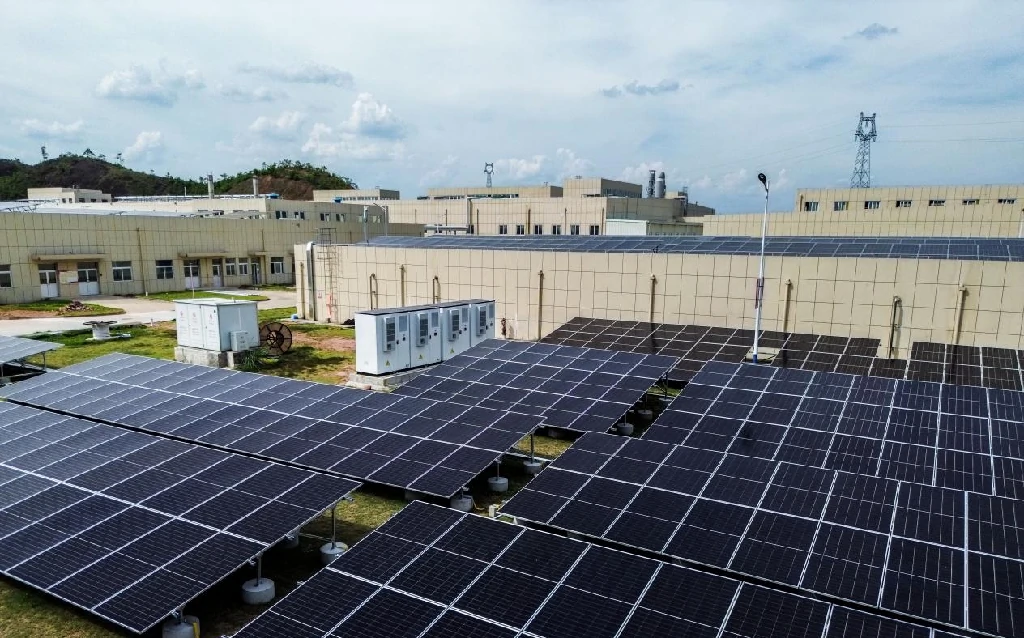
Renewable Energy as a Scapegoat?
Trump has pointed the finger at clean energy as the cause of rising electricity prices. He argued that as traditional power sources like coal are phased out, while new industries like data centers are dramatically increasing their electricity consumption, the nation’s largest grid operator, PJM Interconnection, has experienced supply-demand imbalances, driving up prices. In the latest capacity auction, PJM’s new power capacity prices surged by 22% compared to last year.
However, research presents a different picture. According to an analysis by the Lawrence Berkeley National Laboratory, the fastest way to address the electricity supply gap is actually through solar and energy storage projects. These projects make up the majority of projects currently waiting in line to connect to the grid. In other words, the “problem” that Trump is blaming is, in fact, a potential solution.
Huijue’s Perspective: Energy Storage Is the Missing Link
Regardless of policy changes, grid reliability remains a fundamental requirement for businesses, utilities and communities.
Huijue Group believes that energy storage is not only a renewable energy supporting technology, but also an essential infrastructure solution for improving grid flexibility.
Through advanced battery energy storage systems, intelligent EMS platforms and modular BESS designs, Huijue provides solutions for commercial facilities, industrial parks and renewable energy projects worldwide.
Energy Storage Applications in the United States
California
- High solar penetration
- Peak demand challenges
Texas
- Grid flexibility demand
- Renewable integration
Industrial facilities
- Backup power
- Demand charge reduction
The Chain Reaction of Policy Backsliding
Since his return to the political scene, Trump has never stopped his assault on clean energy. The so-called “Great American Plan” that he championed directly ended tax credits for clean energy and eliminated subsidies for electric vehicle purchases. These policies had been a crucial driver for America’s energy transition over the past few years, but now they are facing a full reversal.
To make matters worse, Trump’s administration also imposed tariffs on steel and copper—key materials used in wind turbines and solar panels. The tariff hikes have led to higher construction costs for these projects, further stressing the industry’s development.
In addition, on August 18, U.S. Agriculture Secretary Brooke Rollins posted on X (formerly Twitter) that the Department of Agriculture would no longer support the construction of solar and wind projects on farmland. Earlier this month, Nevada’s Governor Joe Lombardo publicly complained that local solar projects were frozen due to executive orders, which he claimed were severely hindering economic growth and grid stability.
A Balanced Perspective
On the surface, Trump’s logic seems to be “protect farmland and ensure energy security,” but at a deeper level, it’s influenced by political stances and catering to traditional energy interests. Clean energy in the U.S. is not just an environmental issue—it’s also tied to future industry dynamics and international competitiveness.
The electricity market does indeed face supply and demand challenges, but blaming solar and wind entirely is overly simplistic. In fact, it is distributed solar and energy storage that can flexibly fill the gap and ease the burden on the grid. If the U.S. halts renewable energy development at this critical moment, it may temporarily please some traditional energy companies, but in the long run, it could weaken the nation’s competitiveness in renewable energy technologies.
Globally, both Europe and China are ramping up their renewable energy efforts. If the U.S. pulls the emergency brake in this sector, it may mean that the country will have to pay a higher price in the future to catch up.
FAQ
1. Will changes in US renewable energy policy stop solar development?
Renewable energy development may face policy adjustments, but the demand for reliable electricity and grid stability continues to drive solar and energy storage adoption.
2. Why is battery energy storage important for renewable energy?
Battery energy storage systems help balance renewable energy fluctuations, reduce grid pressure and provide reliable backup power.
3. Can energy storage replace traditional power sources?
Energy storage does not replace all generation sources, but it improves grid flexibility by storing excess energy and supplying electricity when needed.
4. Why are businesses investing in commercial energy storage systems?
Businesses use energy storage to reduce electricity costs, improve power reliability and support renewable energy integration.
5. Does Huijue provide US energy storage solutions?
Yes. Huijue provides customized battery energy storage systems for commercial, industrial, telecom and renewable energy applications.