
 chinahuijue@gmail.com
 +1 (702) 204-9855
Off-Grid vs Grid-Connected Energy Storage Systems: Which Solution Is Right for You?
With rising electricity prices, increasing grid instability, and growing demand for energy independence, more homeowners, businesses, and remote projects are adopting battery energy storage systems.
However, one critical decision must be made before installation:
Should you choose an off-grid energy storage system, a grid-connected storage system, or a hybrid solution?
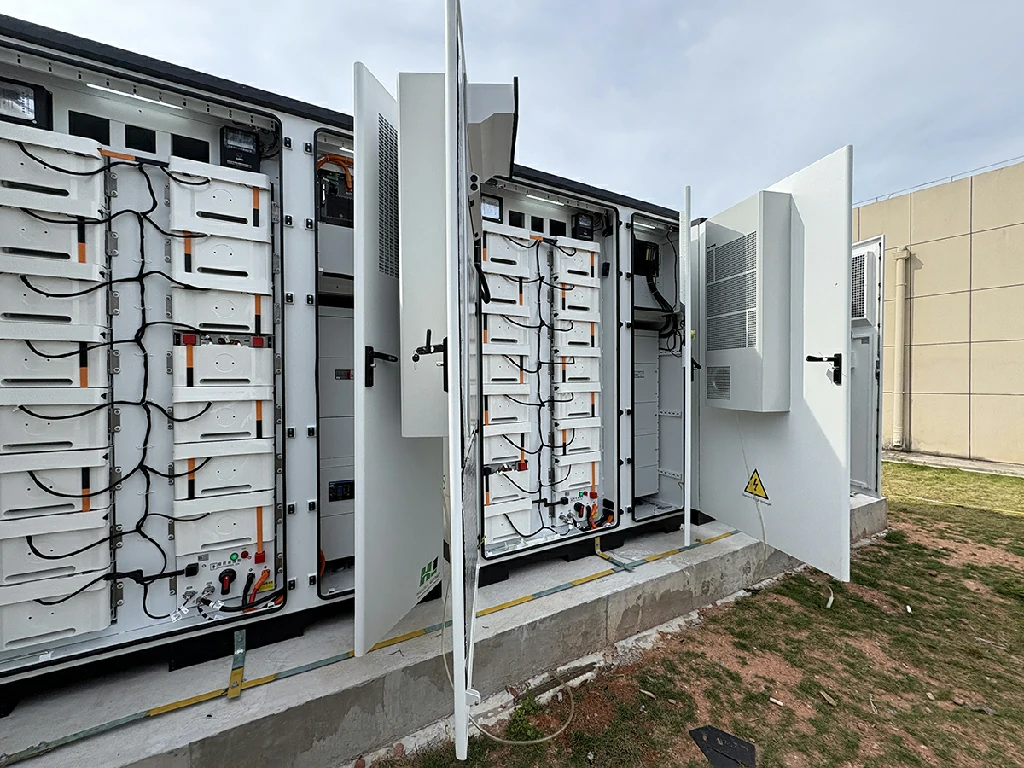
What is Grid-Connected Storage?
Grid-connected storage refers to a system integrated with the national power grid.
During daylight hours, solar power generated can be stored in batteries or sold back to the grid if not fully consumed.
At night, when sunlight is unavailable, stored battery power can be used, or electricity can be purchased from the grid.
This model functions like an intelligent energy manager, constantly synchronized with the main grid.
Advantages of Grid-Connected Storage
Strong Cost Efficiency: In regions with peak-off-peak pricing, you can “charge at low rates and use at high rates,” achieving long-term electricity savings.
High Flexibility: Even when battery levels are low, you can rely on the grid for supplementation.
Off-Grid vs Grid-Connected vs Hybrid: Quick Comparison
| Feature | Grid-connected | Off-grid | Hybrid |
|---|---|---|---|
| Grid connection | Yes | No | Yes |
| Backup power | Limited | Excellent | Excellent |
| Energy independence | Medium | High | High |
| Initial cost | Low | High | Medium |
| Best application | Cities | Remote areas | Homes/businesses |
| Solar integration | Excellent | Excellent | Excellent |
Limitations of Grid-Connected Storage
Most grid-connected systems automatically disconnect during power outages to prevent backfeeding hazards to repair crews.
In other words, without additional “grid-tie/off-grid switching” or “backup power” configurations, your storage may remain unusable during outages.
What is Off-Grid Energy Storage?
Off-grid storage operates entirely independently of the grid, achieving self-sufficiency. Common applications include: remote mountainous areas, island ranches, communication base stations, and zero-carbon homes.
It functions more like a micro power plant, establishing its own “mini-grid.”
Where Are Off-Grid and Hybrid Systems Most Needed?
Europe:
Germany, UK, Spain, Italy
Features:
- High electricity prices
- Solar self-consumption
- Backup demand
Africa:
Nigeria, Kenya, South Africa
Features:
- Grid instability
- Diesel replacement
- Remote communities
How to Choose the Right Energy Storage System?
Choose Grid-Connected Storage If:
✔ Stable grid
✔ Want lower electricity bills
✔ Peak/off-peak pricing available
Choose Off-Grid Storage If:
✔ No reliable grid
✔ Remote location
✔ Need energy independence
Choose Hybrid Storage If:
✔ Need backup power
✔ Want savings + reliability
Advantages of Off-Grid Storage
Grid-independent: Maintains power supply during external grid failures or natural disaster-induced outages.
Strong energy independence: Ideal for users seeking “energy freedom” or regions with an unstable power supply.
Limitations of Off-Grid Storage
High initial investment cost.
Requires sufficient PV or wind power support.
System design must be precise to avoid insufficient power issues.
Is There a Compromise? — Hybrid Energy Storage Systems
If you desire the cost-effectiveness of grid-connected storage while ensuring power during outages, hybrid systems offer the ideal solution.
They operate connected to the grid during normal conditions, enabling arbitrage opportunities. When grid failures occur, the system automatically switches to off-grid mode, functioning as an emergency power source.
This approach is widely adopted in critical locations such as residential homes, hospitals, and data centers.
Consider your power environment:
Urban residents with stable grid access: Grid-tied or hybrid storage recommended.
Remote areas with unreliable grid: Off-grid storage recommended.
Evaluate your investment budget:
Prioritize grid-tied systems to reduce electricity bills and maximize ROI.
Choose off-grid systems for complete power independence.
Safety and reliability requirements:
Hybrid storage is more suitable for locations demanding extreme power stability (e.g., hospitals, server rooms).
Whether off-grid or grid-connected, the choice isn’t merely about “connected or not.” It involves economic efficiency, energy independence, and safety assurance. If you want to save on electricity bills, grid-connected storage is the top choice. If you seek complete independence, off-grid storage is more suitable. And if you want to save money without worrying about power outages, hybrid storage offers the best of both worlds.
Before selecting a storage solution, carefully evaluate your specific electricity needs and budget to make the most rational decision.
Frequently Asked Questions
1. What is the difference between off-grid and grid-connected energy storage?
Off-grid energy storage systems operate independently without relying on the utility grid, while grid-connected systems work together with the grid to optimize energy usage and reduce electricity costs.
2. Is hybrid energy storage better than off-grid or grid-connected systems?
Hybrid systems combine the advantages of both solutions by allowing grid interaction while providing backup power during outages.
3. Can an off-grid energy storage system power a whole house?
Yes. With sufficient solar generation, battery capacity, and proper system design, off-grid systems can provide complete household energy independence.
4. Which energy storage system is best for areas with unstable electricity?
Hybrid or off-grid energy storage systems are usually recommended for regions with frequent power outages or unstable grids.
5. Does Huijue provide customized energy storage solutions?
Yes. Huijue Group provides customized residential, commercial, industrial, telecom, and off-grid energy storage solutions based on different power requirements.