
 chinahuijue@gmail.com
 +1 (702) 204-9855
Centralized PV vs Distributed PV: Differences, Advantages and the Future of Solar + Energy Storage
With the widespread adoption of clean energy worldwide, photovoltaic (PV) power generation technology is at the forefront. Currently, there are two main deployment models: centralized photovoltaic systems and distributed photovoltaic systems (PV). This article will compare and analyse the differences and advantages of these two systems based on the latest data and global trends.
Why Energy Storage Is Becoming Essential for Both Centralized and Distributed PV Systems
Although centralized and distributed PV systems have different deployment models, both face the challenge of solar intermittency.
Energy storage systems help solve this problem by storing excess solar energy during peak generation periods and releasing electricity when demand increases.
For centralized PV projects, battery energy storage systems improve grid stability, frequency regulation and renewable integration.
For distributed PV systems, residential and commercial energy storage increases self-consumption, reduces electricity costs and provides backup power.
Centralized PV vs Distributed PV Comparison
| Feature | Centralized PV | Distributed PV |
|---|---|---|
| Location | Remote solar farms | Rooftops, factories, buildings |
| Capacity | MW scale | kW-MW scale |
| Grid connection | High-voltage transmission | Low/medium voltage distribution |
| Power usage | Long-distance transmission | Local consumption |
| Investment | High CAPEX | Flexible investment |
| Maintenance | Professional operation | Easier management |
| Energy storage role | Grid support | Self-consumption & backup |
- Definition and Scale
Centralised PV systems are large-scale installations located in remote areas such as deserts or wastelands, where solar resources are abundant and land costs are low, with installed capacities ranging from tens to hundreds of megawatts.
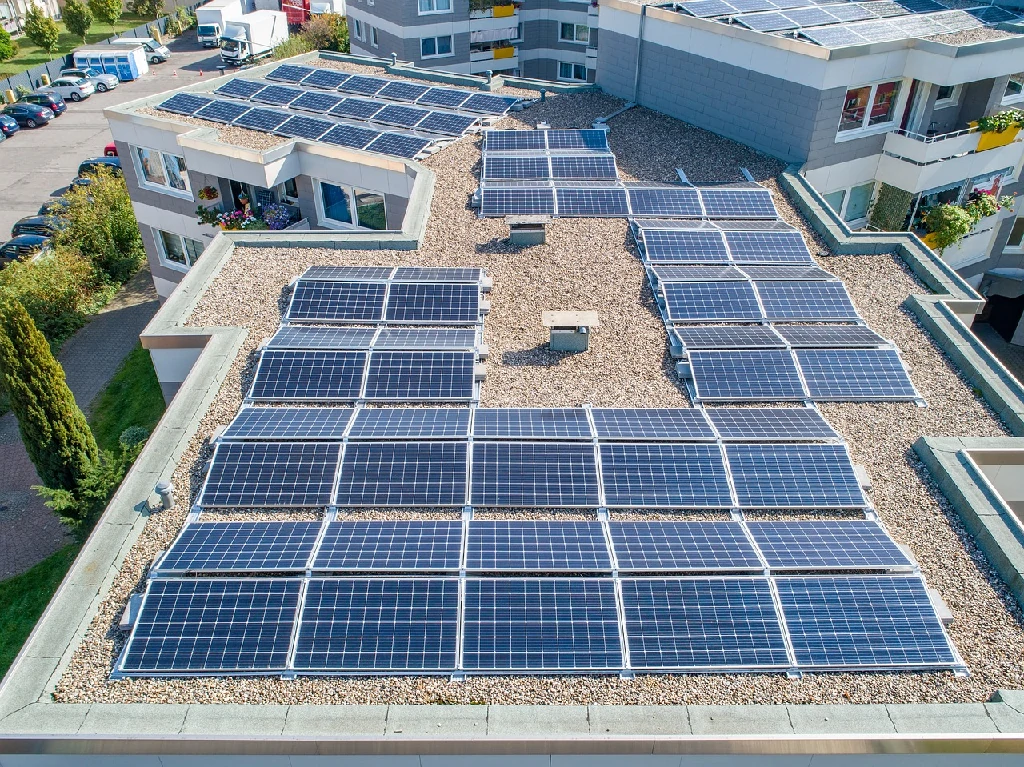
Distributed PV systems are medium to small-scale installations typically located near load centres, such as rooftops, factories, or warehouses, with installed capacities typically ranging from kilowatts to megawatts.
- Grid Connection and Transmission Distance
Distributed PV systems are interconnected via low-voltage or medium-voltage distribution networks, enabling local power consumption with low transmission losses.
Centralised PV systems are connected to high-voltage transmission networks, transmitting power over long distances with higher transmission losses.
- Investment, Construction, and Maintenance
Distributed PV systems offer advantages such as low initial investment, short payback periods, flexible deployment, and simple maintenance, and can be managed by end-users or service providers.
Centralised PV systems require significant investment and complex infrastructure (substations, inverter rooms, switchgear, etc.), with higher technical management requirements.
- Energy Efficiency and Grid Support
Distributed PV supports immediate local consumption, reducing transmission waste and improving energy utilisation efficiency.
Centralised PV leverages economies of scale and superior control capabilities to more effectively support reactive power regulation and grid frequency control.
- Technical Challenges and Grid Impact
Distributed PV faces challenges such as reverse power flow, rapid output fluctuations, and stability issues, requiring enhanced grid control systems.
Centralised PV faces high transmission costs, long-distance transmission losses, and stringent grid connection requirements, including low-voltage ride-through (LVRT) capability.
- Global Deployment Trends
As of 2023, Australia’s distributed PV installed capacity (approximately 23,169 megawatts) far exceeds centralised PV (approximately 11,016 megawatts), highlighting the growing dominance of distributed generation.
In Brazil, as of the end of 2022, the total installed capacity of solar PV was approximately 27 gigawatts, with distributed PV accounting for approximately 18.8 gigawatts and centralised PV accounting for approximately 8.2 gigawatts.
In summary, centralized PV systems and distributed PV systems each have their unique advantages and limitations. The centralized model excels in large-scale centralized control and grid support, while distributed systems offer flexibility, high local efficiency, and rapid returns. The complementary roles of both will collectively drive the global transition toward a resilient, clean energy future.
Huijue PV + Energy Storage Solutions
As an experienced energy storage manufacturer, Huijue Group provides integrated solar and battery storage solutions for both distributed and centralized renewable energy projects.
By combining photovoltaic generation with advanced battery energy storage systems, Huijue helps customers improve energy efficiency, reduce electricity costs and build more resilient power systems.
Solutions include:
• Residential solar battery storage
• Commercial and industrial ESS
• Containerized solar storage systems
• Telecom power solutions
• Microgrid energy systems
Global Trends of Distributed Solar + Storage
Europe
Germany, UK, Spain:
- High electricity prices
- Rooftop solar growth
- Residential storage demand
USA
California, Texas:
- Grid pressure
- Solar + battery projects
Australia
High rooftop PV penetration
Strong demand for home batteries.