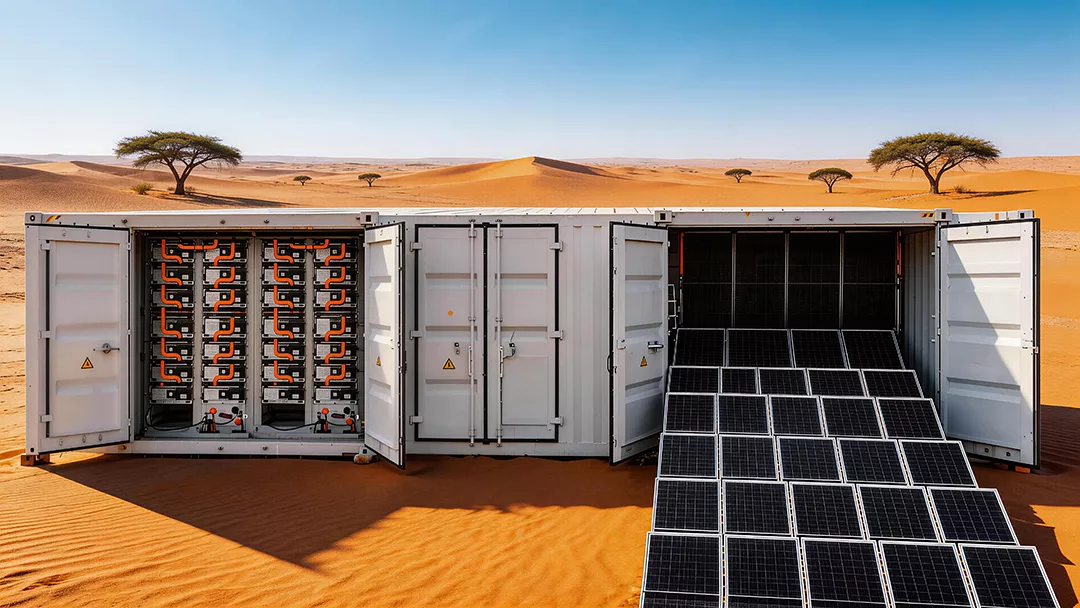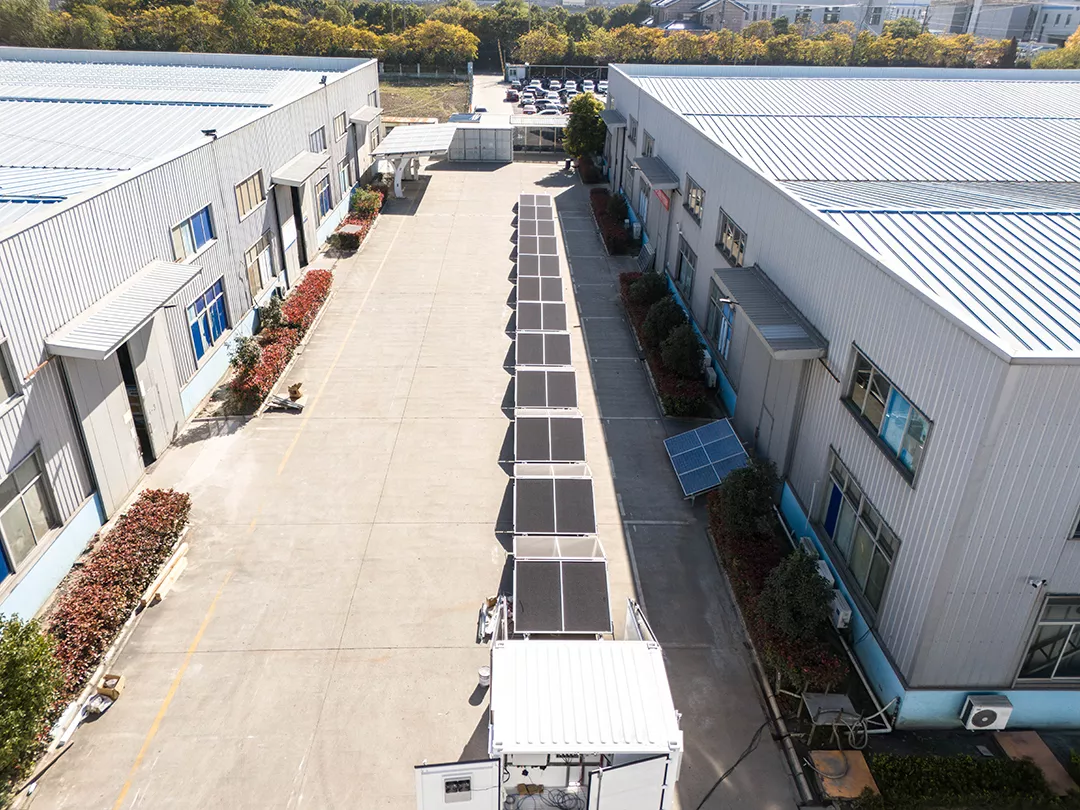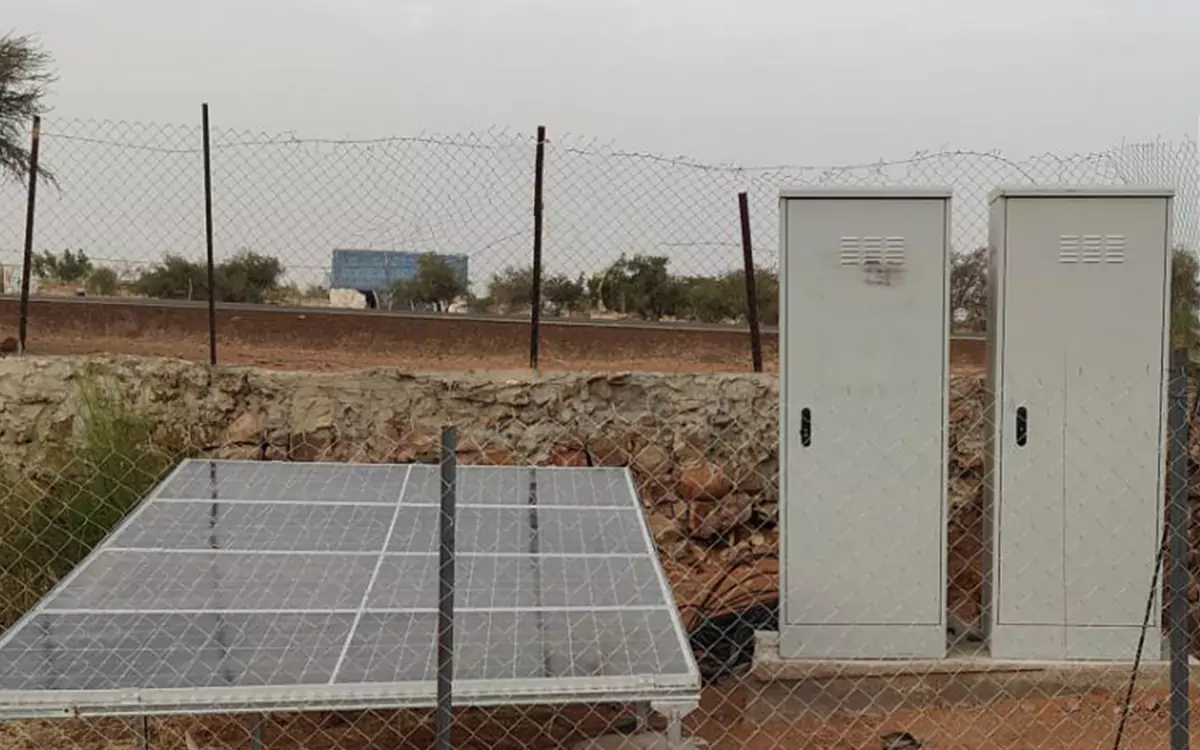
Application The system is designed for telecom base stations in remote areas of Kenya where no utility grid is available
Parameter 200kWh
Equipment 40kWh of battery storage capacity
Address Kenya
This project adopts an integrated off-grid solar and energy storage system that operates independently of the utility grid. Through the coordinated operation of solar power generation and battery energy storage, the system provides telecom base stations with stable, clean and low-maintenance power, ensuring uninterrupted operation 24 hours a day.
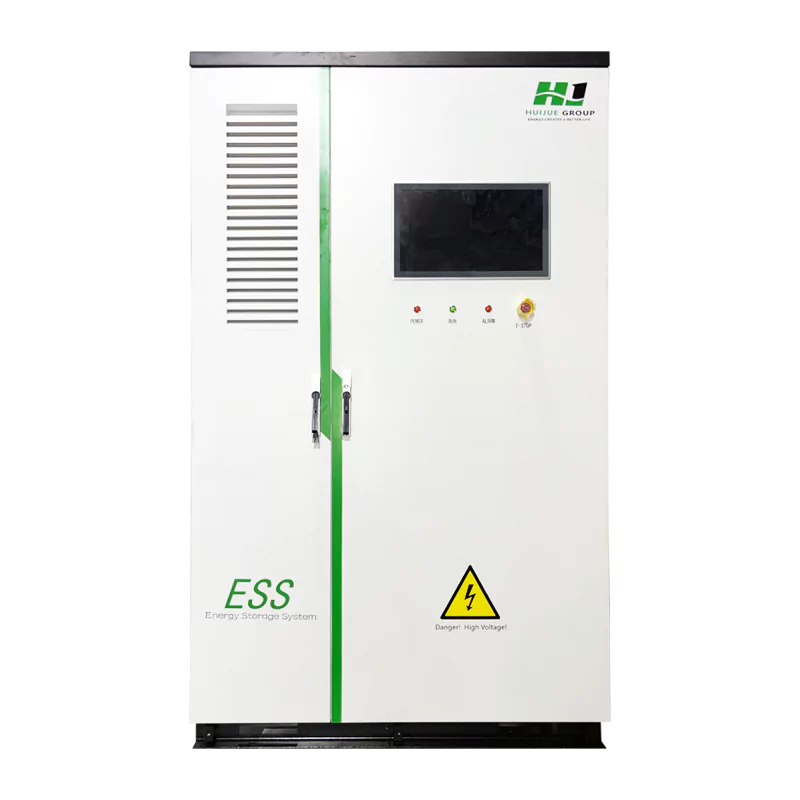
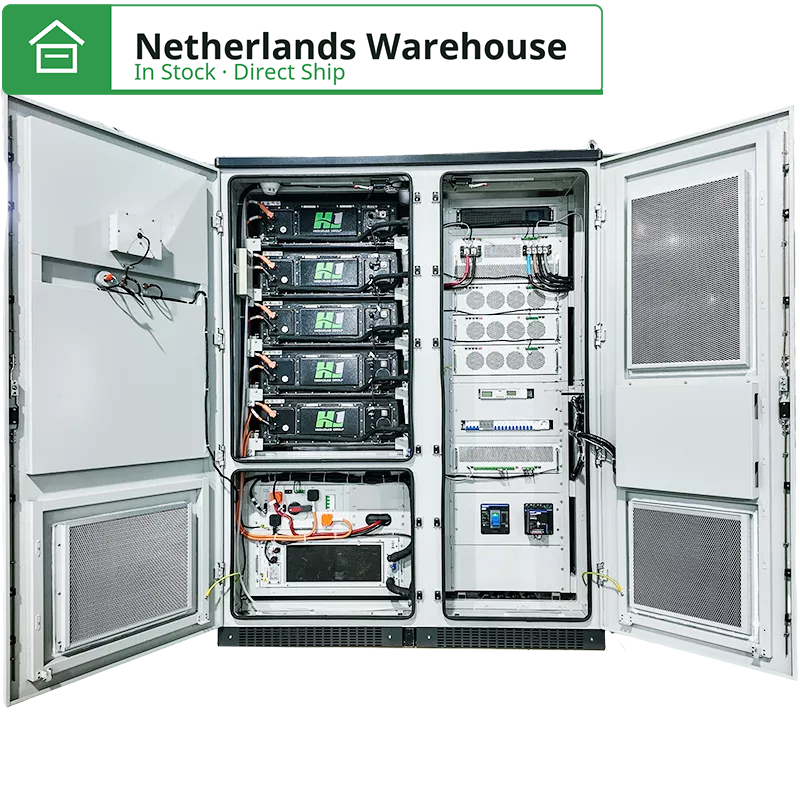
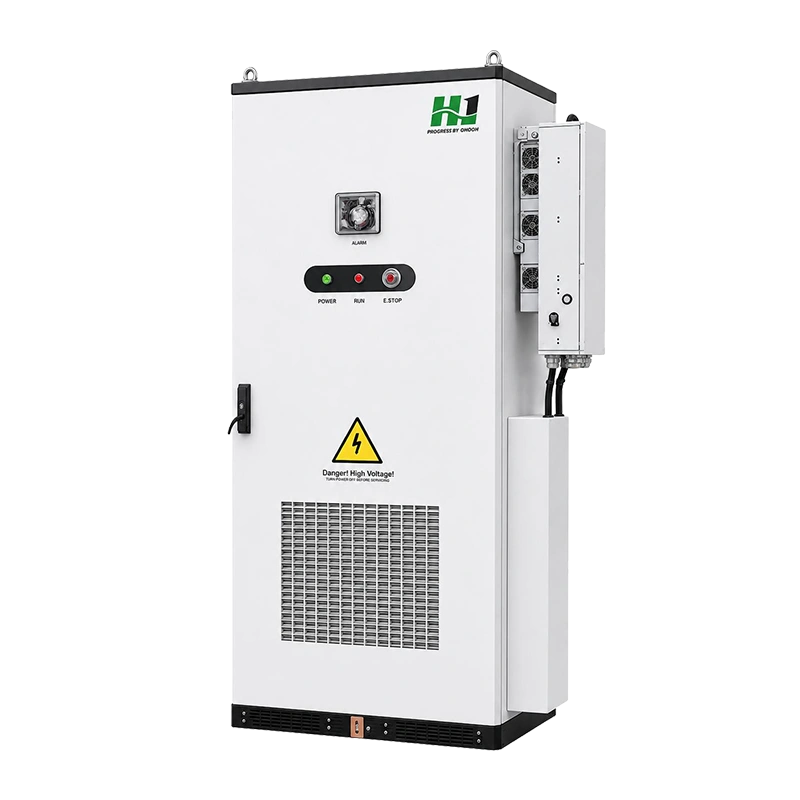
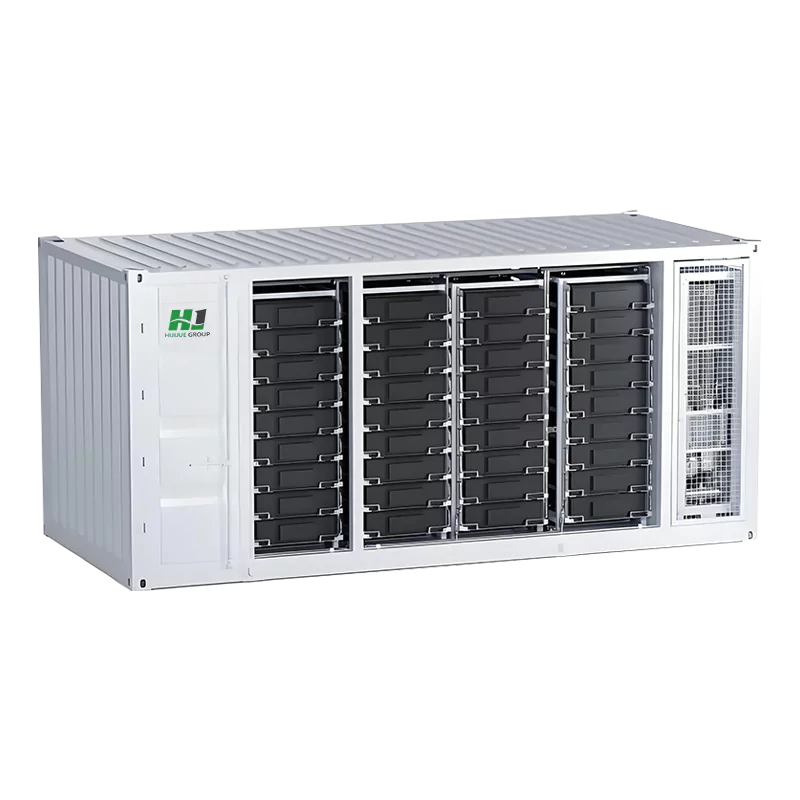
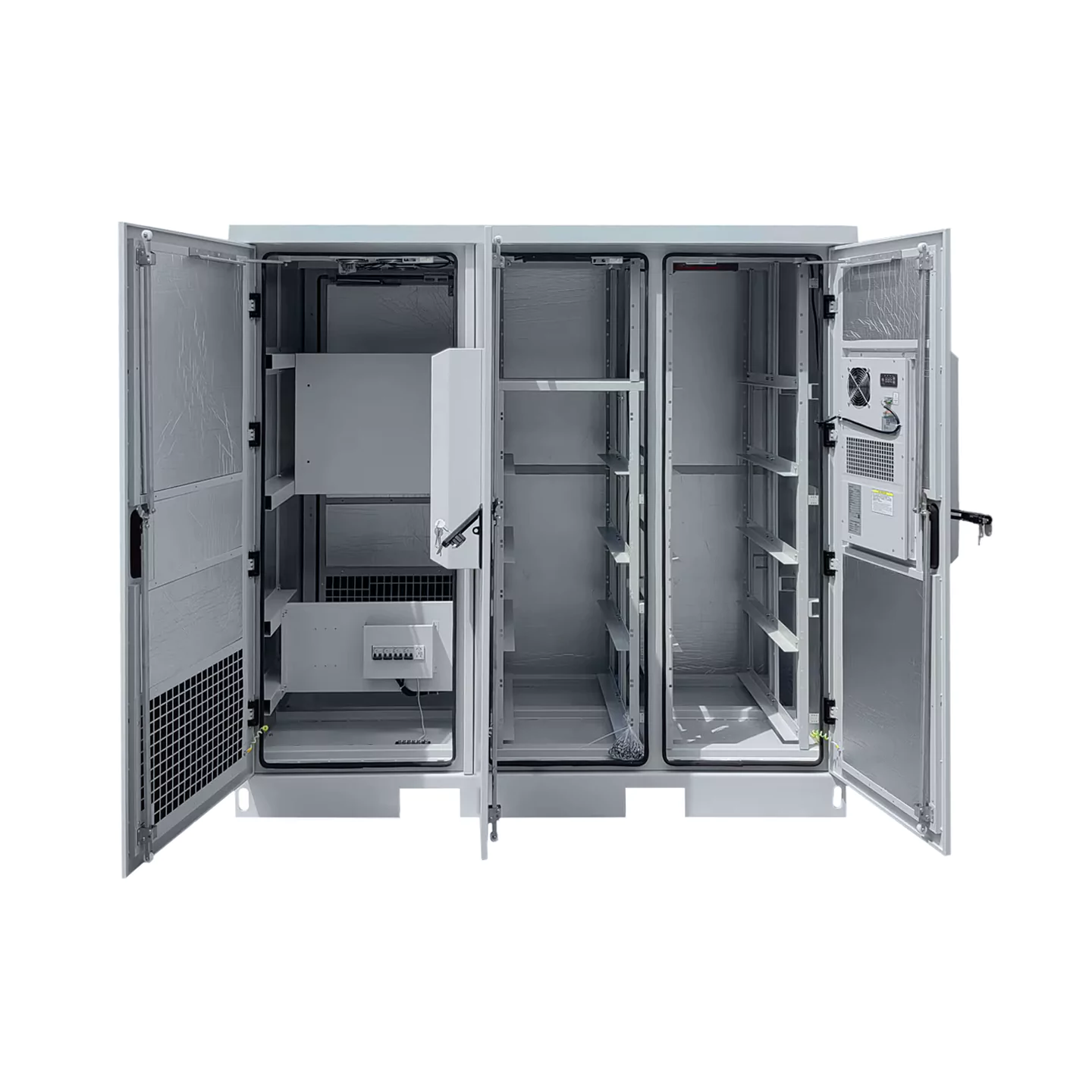
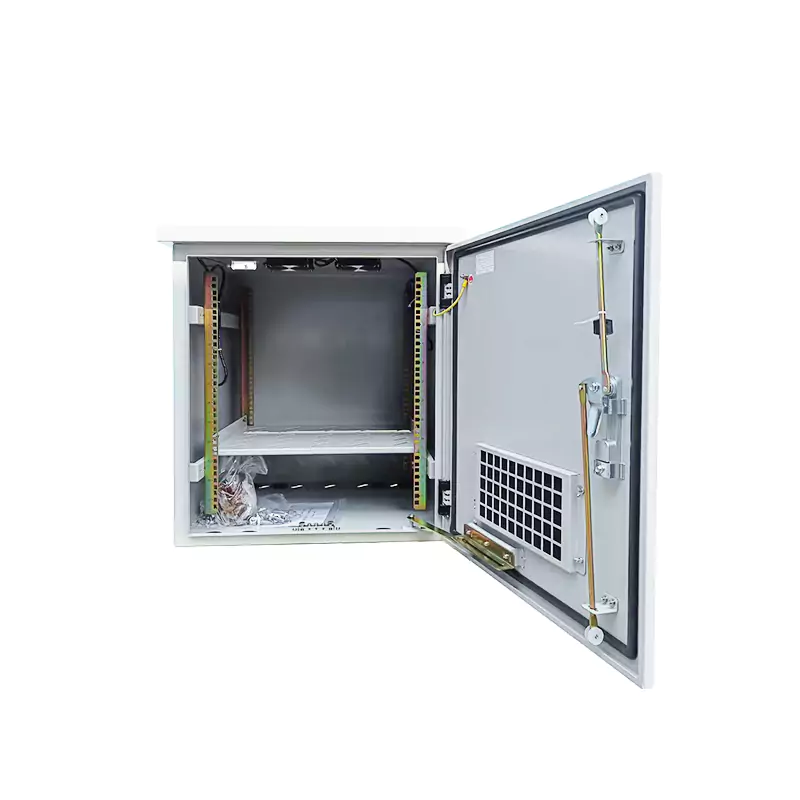
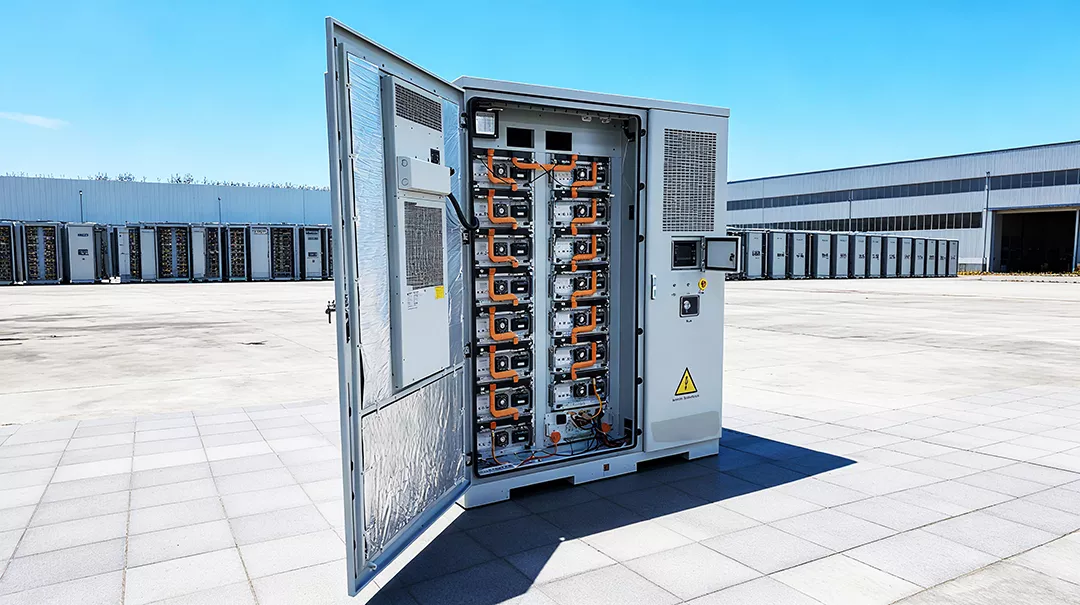
The core of the system is an outdoor base station energy cabinet equipped with 40kWh of battery storage capacity. Combined with Kenya’s abundant solar resources, the system can significantly reduce base station operating costs and support long-term sustainable development.
The system is designed for telecom base stations in remote areas of Kenya where no utility grid is available. Conventional power supply solutions in these areas depend entirely on diesel generators.
This solution enables fully off-grid operation, with solar energy serving as the primary power source and battery storage providing supplementary power. It can replace conventional diesel-based power generation under normal operating conditions.
| Configuration Item | Specification |
|---|---|
| Project Name | Kenya Off-Grid Solar and Energy Storage Project for Telecom Base Stations |
| Off-Grid Type | Fully Off-Grid, Without Utility Grid Connection |
| Energy Storage Capacity | Outdoor Base Station Energy Cabinet — 40kWh |
| Energy Sources | Solar PV + Battery Energy Storage, Replacing Diesel Generation |
| Application | Telecom Base Stations in Remote Areas Without Grid Access |
| Key Benefits | Low Operating Cost, Green Energy, Low Maintenance and Sustainable Operation |
| Energy Management Strategy | Solar Priority → Battery Power Supply → 24/7 Off-Grid Operation |
| Equipment | Specification | Description |
|---|---|---|
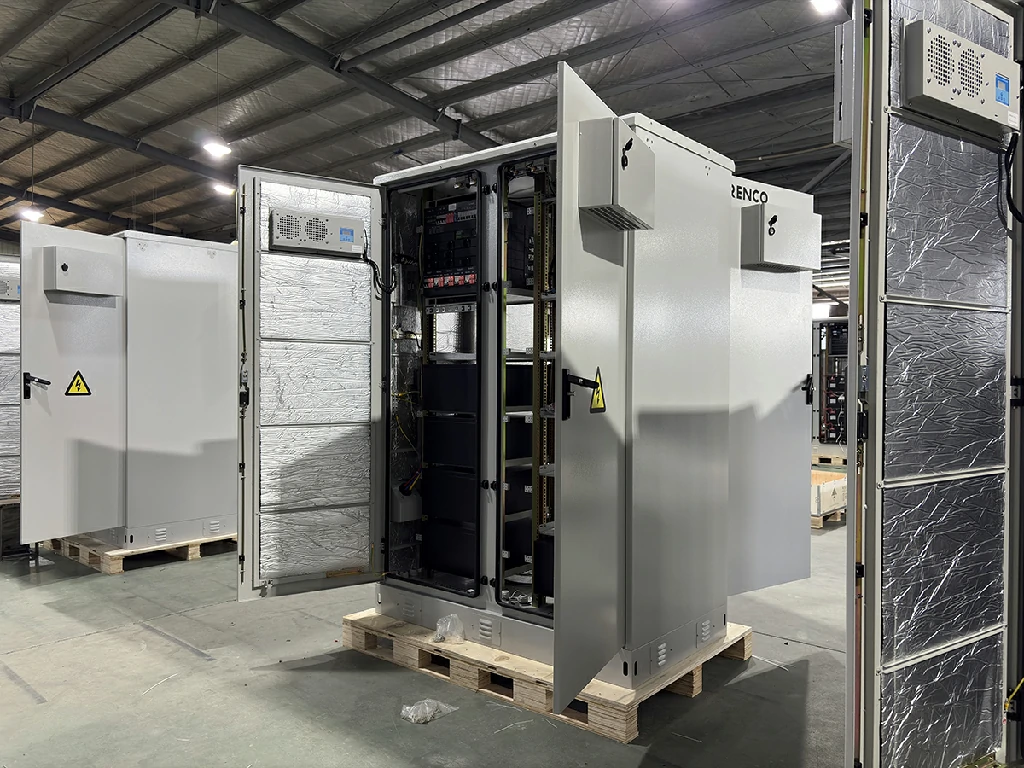
| Outdoor Base Station Energy Cabinet | 200kWh Energy Storage Capacity | Main Off-Grid Power Supply Unit with an Integrated Design |
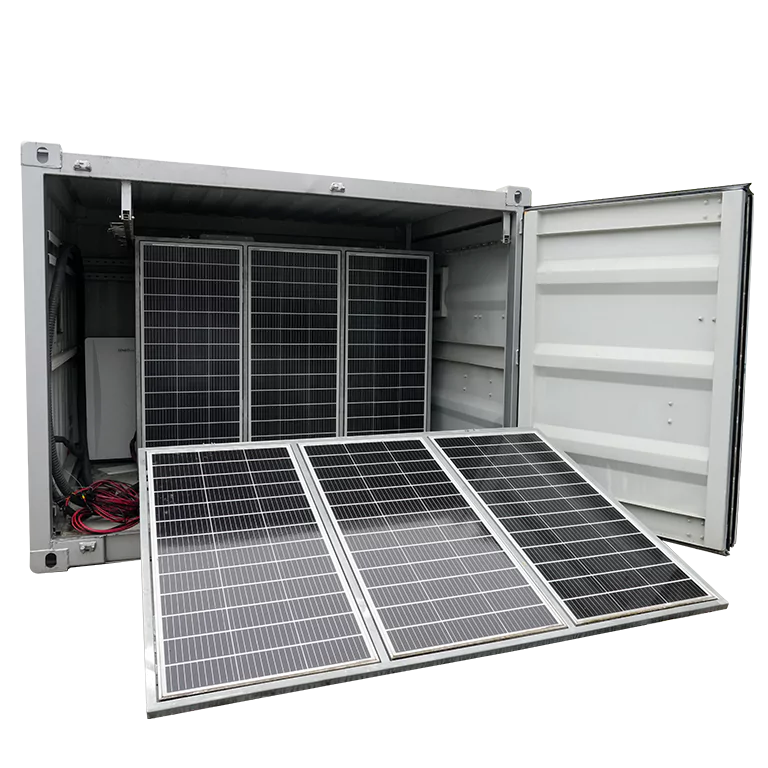
| Solar PV Module System | Configured According to the Storage Capacity and Local Site Conditions | Utilizes Kenya’s Abundant Solar Energy Resources |
| Hybrid Power System | Solar-Priority and Battery-Supply Control Logic for Off-Grid Applications | Supports Intelligent Solar-Priority Energy Dispatch |
| Base Station Lithium Battery System | Lithium Iron Phosphate Battery, More Than 6,000 Cycles, Grade-A Battery Cells | High Safety and Long Service Life |
| FSU Integrated Monitoring Unit | English Interface, Web-Based Management and SNMP Support | Enables Remote Monitoring and Unattended Operation |
| Wireless Sensor Module | 4G Data Transmission, SIM Card Not Included, Compatible with Local Kenyan Networks | Supports Remote Operation and Maintenance of Unattended Base Stations |
| DC Air Conditioner | DC 48V Compressor-Type Air Conditioner with RS485 Communication | Designed for High-Temperature Outdoor Telecom Base Station Environments |
| Diesel Generator Accessories (Optional) | Emergency Backup Cables and Accessories | Used Only for Emergency Backup to Minimize Diesel Consumption |
The system operates independently of the national power grid, providing a practical power solution for telecom base stations in remote areas where utility electricity is unavailable.
Solar energy is used as the primary power source. During daylight hours, the PV system supplies the base station load and stores surplus energy in the battery system. At night or during periods of insufficient sunlight, the battery automatically supplies power.
The solar PV system, battery storage and intelligent energy management system operate together to maintain continuous base station power. The system automatically adjusts its operating mode according to solar conditions, battery status and load demand.
By replacing conventional diesel generation with solar and battery storage, the project significantly reduces fuel procurement, transportation and generator maintenance costs.
The system uses Grade-A lithium iron phosphate battery cells with a cycle life of more than 6,000 cycles. The batteries provide high safety, stable performance and a long service life for frequent charging and discharging in off-grid applications.
The FSU monitoring unit, Web-based management platform, SNMP communication and 4G wireless transmission enable remote access to system operating data, battery status and alarm information. This reduces the need for frequent on-site inspections.
The outdoor energy cabinet and DC 48V air-conditioning system are designed for telecom base stations operating in hot and remote environments. The temperature control system helps maintain suitable operating conditions for batteries and electrical equipment.
The system makes full use of Kenya’s abundant solar resources, reducing carbon emissions, noise and environmental pollution associated with diesel generators while supporting the sustainable expansion of telecom infrastructure.
The system is designed for telecom base stations in remote areas of Kenya where no utility grid is available
We're here to answer your questions and provide the energy solutions that best fit your needs.

 chinahuijue@gmail.com
 +1 (702) 204-9855
 光伏储能项目.webp)