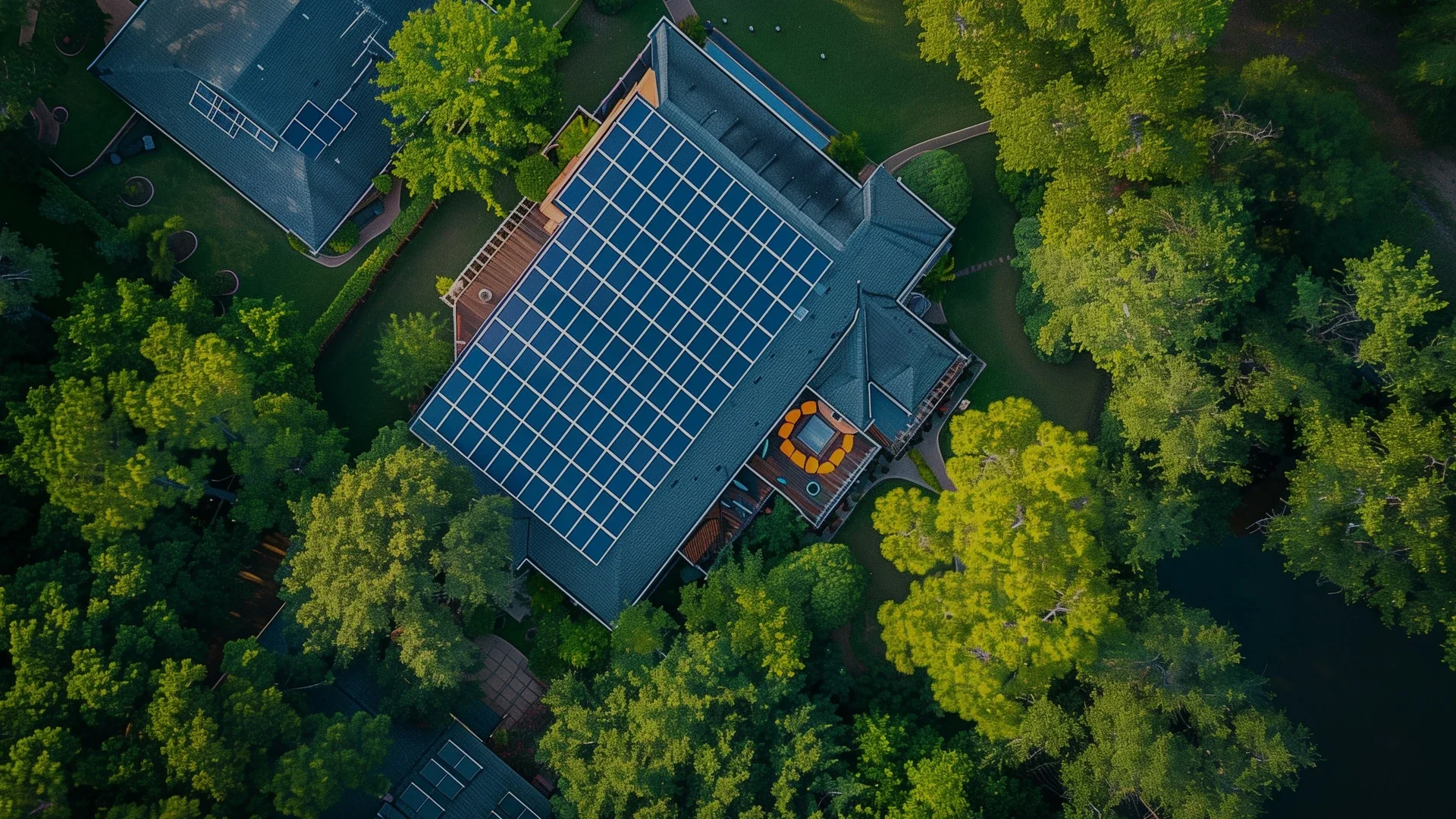
Application
Parameter
Equipment
Address

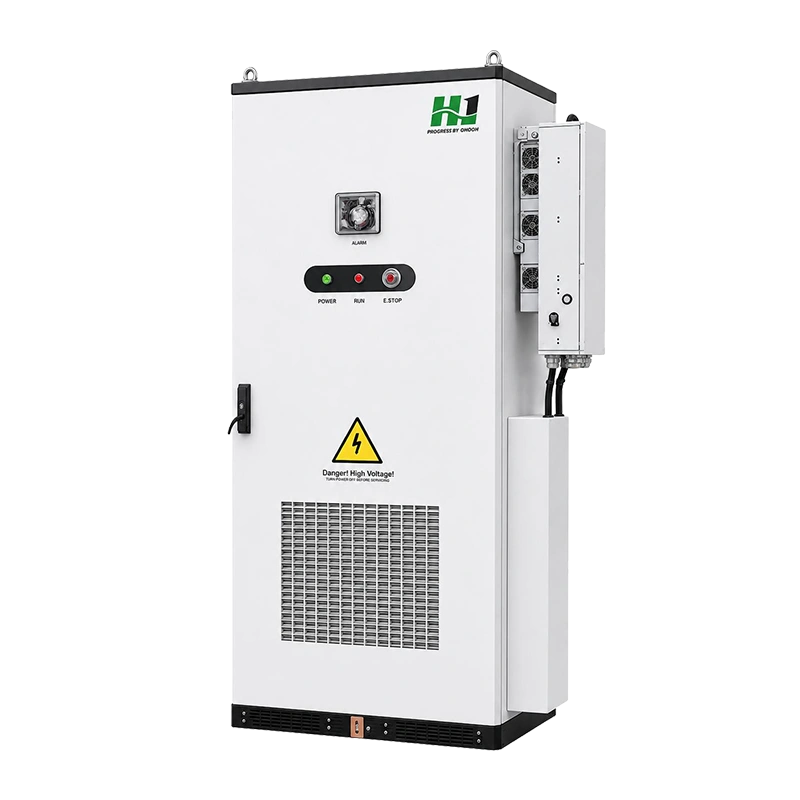
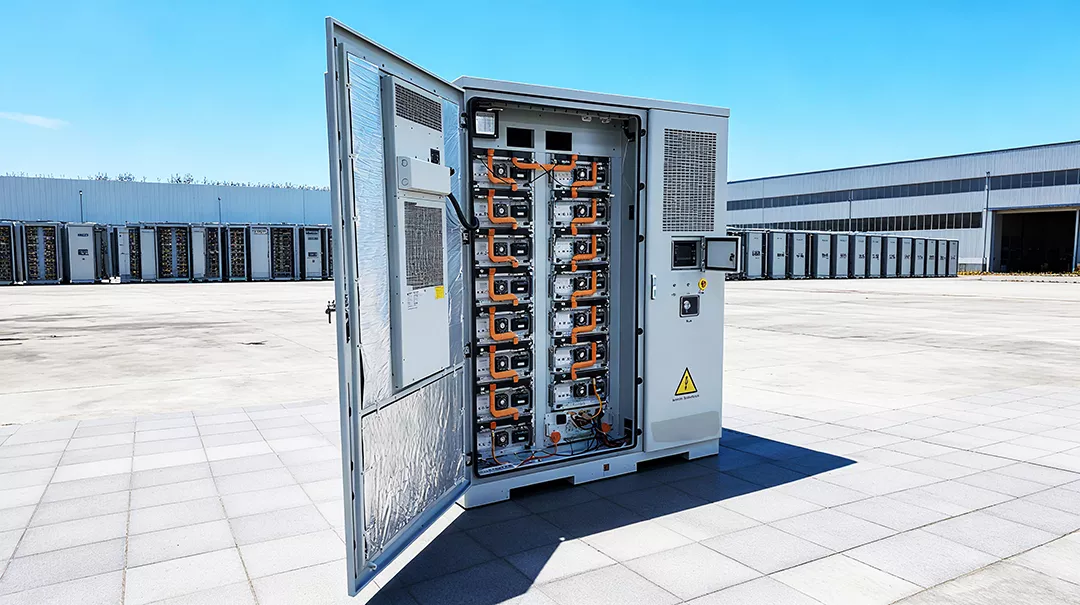
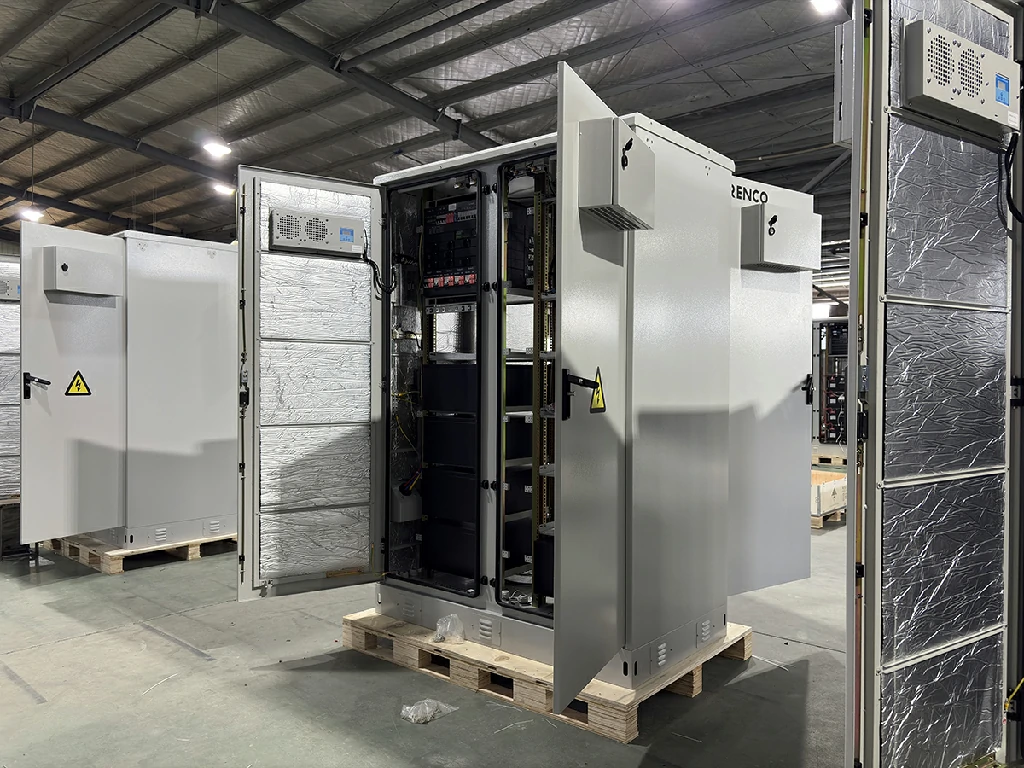
An STS Grid-Connection Cabinet (Static Transfer Switch Cabinet) is an integrated power distribution enclosure that enables seamless on/off-grid switching within 20 milliseconds for battery energy storage systems (BESS), telecom sites, and commercial-industrial facilities. It combines solid-state switching, circuit protection, metering, and communication interfaces in a single IP54/IP65-rated cabinet. For projects in Africa (where diesel costs $0.30–0.60/kWh), Europe (peak/off-peak spreads of €0.15–0.25/kWh), and the USA (demand charges of $15–35/kW), STS cabinets deliver typical ROI in 2–6 years depending on region and application. Leading manufacturers include Elecnova (125kW modules), GoodWe (500kW), and Huijue Group (integrated C&I and telecom solutions).
When a factory in Plovdiv, Bulgaria lost grid power for 47 seconds during a winter storm in January 2026, the production line didn’t skip a beat. The STS cabinet on site detected the voltage sag, transferred the load to battery backup in 18 milliseconds, and held everything steady until the grid stabilized. The plant manager didn’t even learn about the incident until the weekly energy report arrived.
That scenario plays out thousands of times daily across the globe. As battery energy storage deployments accelerate — the IEA’s Global Energy Review 2026 confirms 108 GW of new BESS capacity came online in 2025 alone — the component that makes or breaks system reliability is increasingly the grid-connection cabinet sitting between the battery, the inverter, and the utility meter.
This guide breaks down everything a project developer, EPC contractor, or procurement manager needs to know about STS Grid-Connection Cabinets: how they work, how to specify them, what they cost across different markets, and how they integrate with the network cabinets and communication cabinets that form the backbone of modern telecom and C&I energy infrastructure.
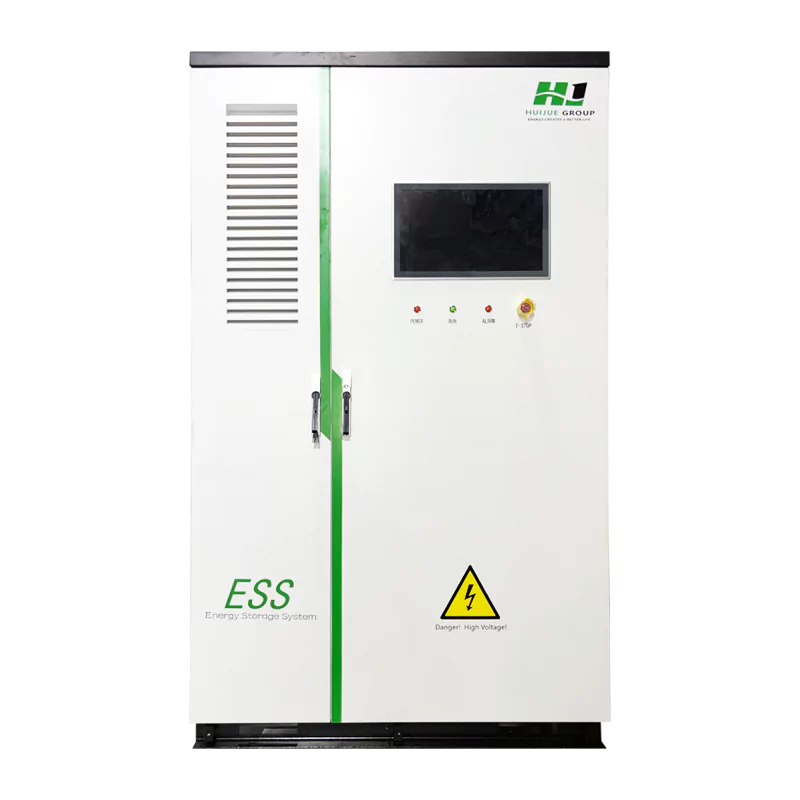
An STS Grid-Connection Cabinet is a self-contained electrical enclosure that houses a Static Transfer Switch along with all the protective, monitoring, and interconnection equipment needed to connect a battery energy storage system to the utility grid. The “static” part refers to the use of semiconductor switching devices — typically silicon-controlled rectifiers (SCRs) or thyristors — rather than mechanical contactors.
Here’s what happens inside the cabinet during a grid disturbance:
.jpg)
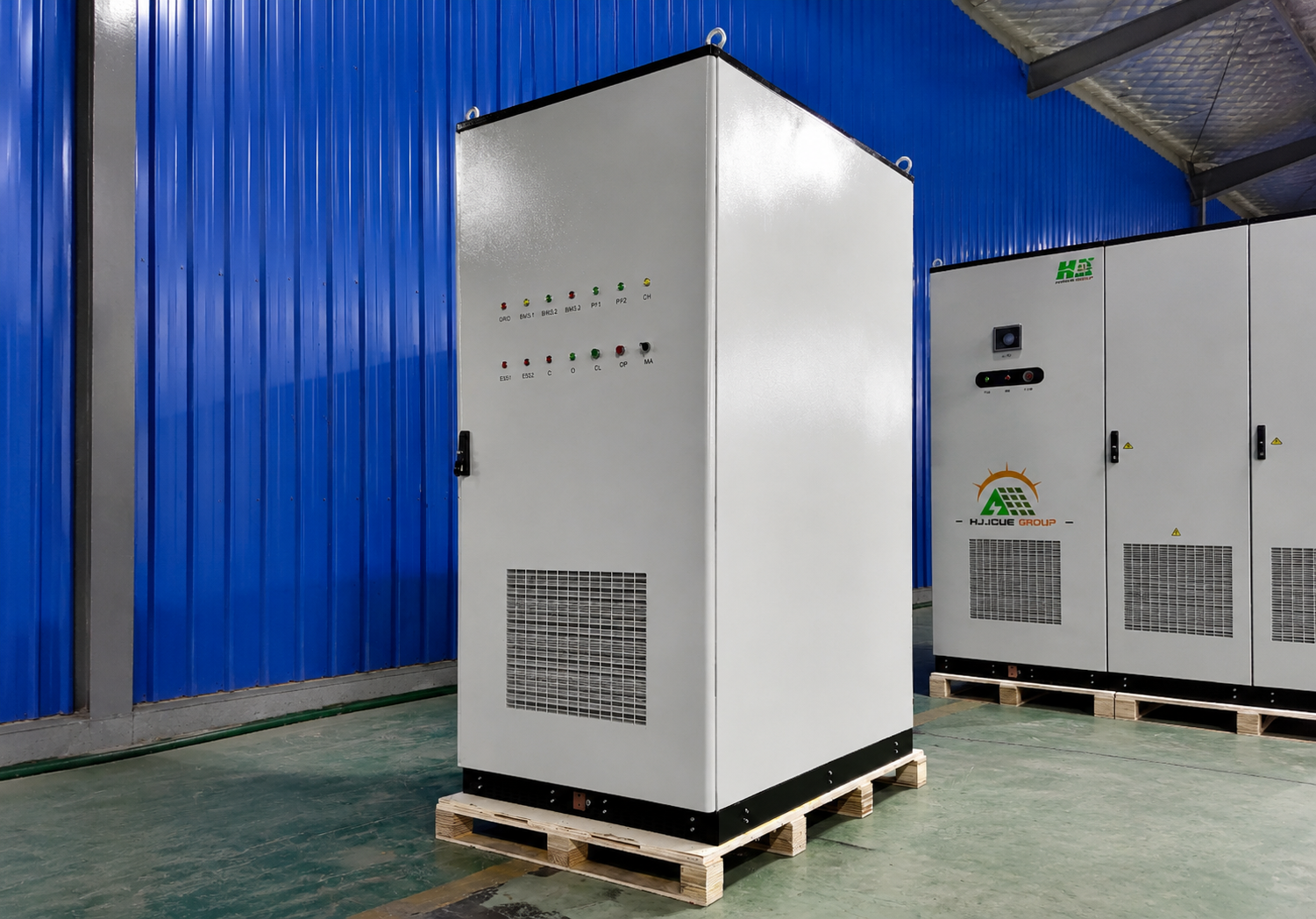
Huijue STS Grid-Connection Cabinet — front panel with real-time status indicators for grid (GND), battery (BUL1-3), PV (PV1-2), and load circuits
The entire sequence completes in under 20 milliseconds — fast enough that even sensitive electronic loads like servers, medical equipment, and telecommunications gear remain unaffected. For context, a conventional automatic transfer switch (ATS) with mechanical contactors takes 100 to 500 milliseconds to complete the same transfer, which means a perceptible power interruption.
Twenty milliseconds isn’t an arbitrary number. It sits at the intersection of several technical and regulatory requirements:
| Parameter | STS Cabinet | Mechanical ATS | UPS System |
|---|---|---|---|
| Switching time | <20ms | 100–500ms | 0–4ms (online) |
| Max power capacity | 125–750kW+ (modular) | Up to 4000A | Typically <500kVA |
| Transfer type | Between two active sources | Grid to backup | Battery inline |
| Efficiency (normal operation) | ~99.5% (bypass mode) | ~99.8% | 92–96% |
| Maintenance bypass | Yes (integrated) | Yes | Yes |
| Cost per kW | $30–60/kW | $15–30/kW | $80–150/kW |
| Best for | BESS grid-connection, microgrids | Backup generators | IT/data center loads |
The efficiency point deserves attention. Unlike a UPS, which passes all power through rectifiers and inverters continuously (losing 4–8% as heat), an STS cabinet in normal grid-connected operation runs in bypass mode at near-zero losses. Power flows directly from grid to load through a solid-state bypass path. The switching components only activate during transfer events. Over a year of operation, that efficiency difference translates to thousands of dollars in energy savings for a 500kW commercial load.
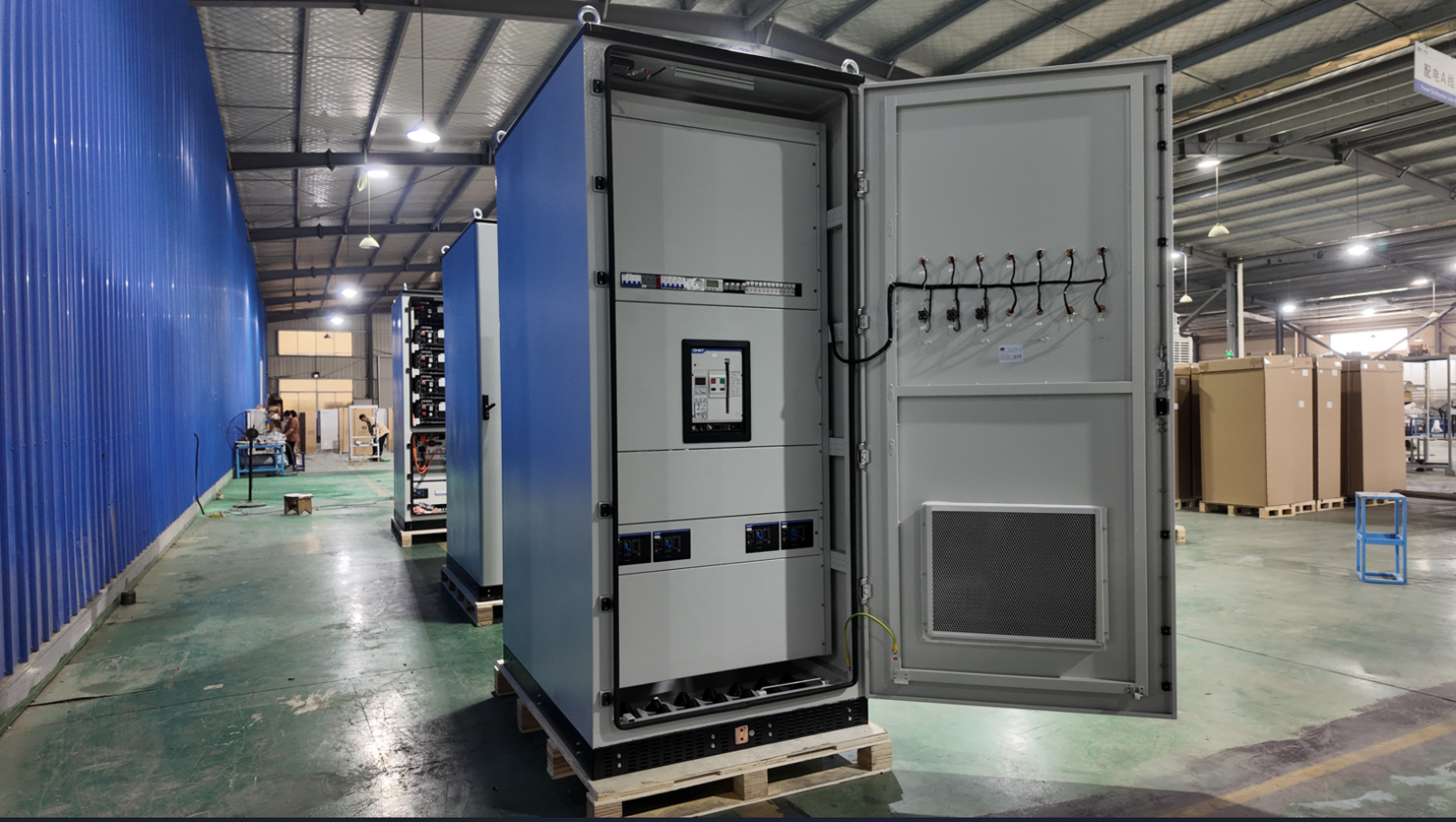
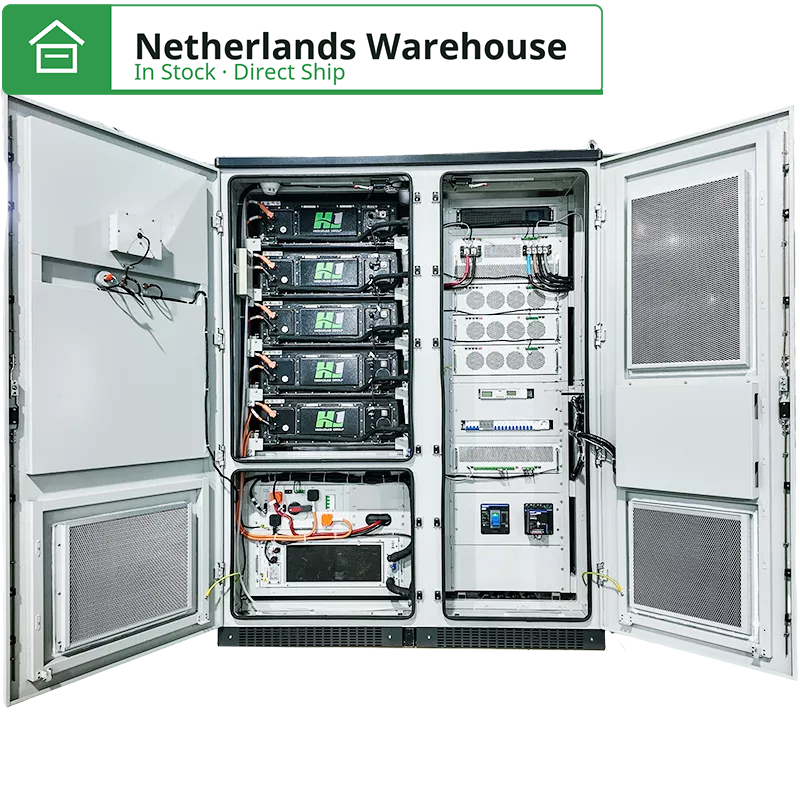
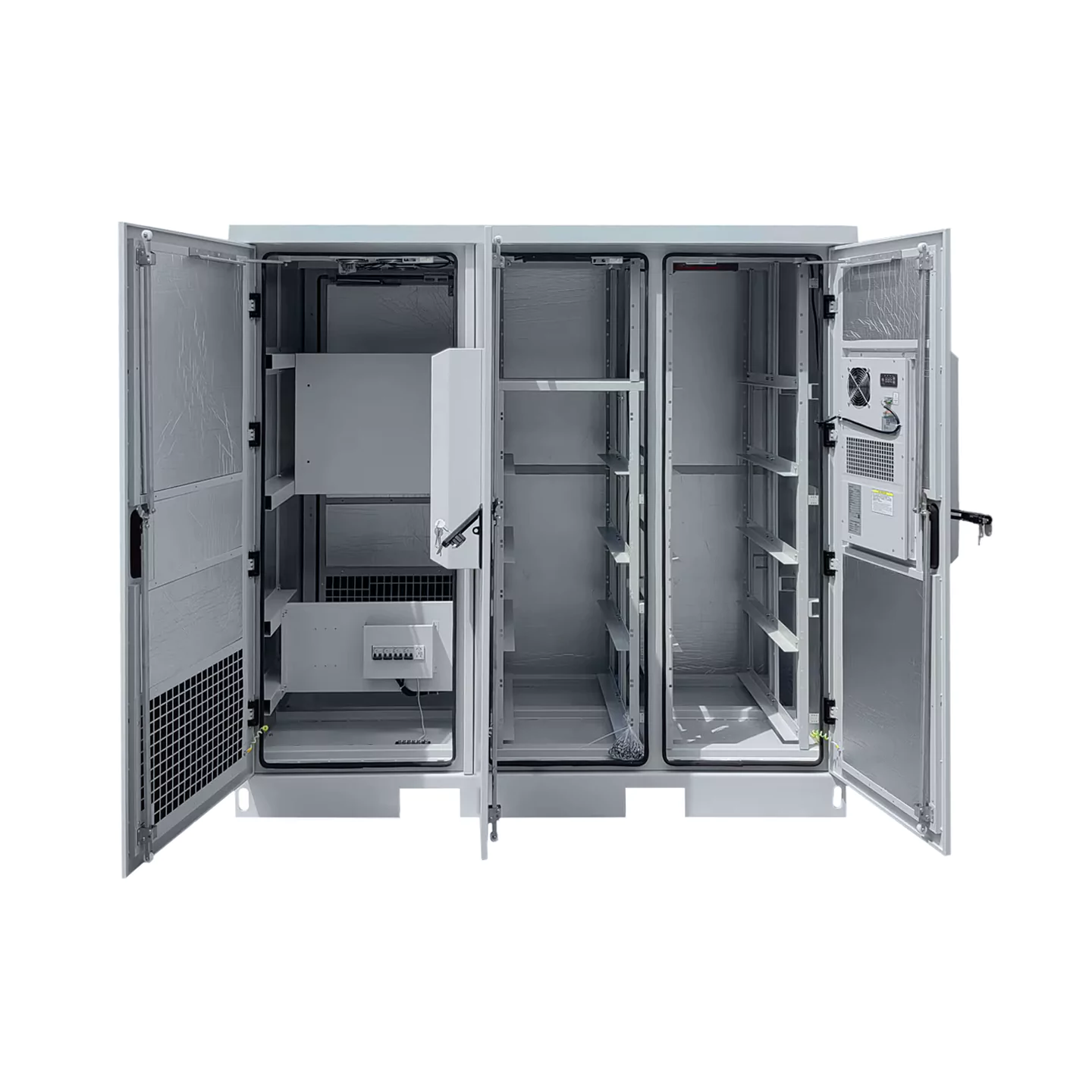
A well-engineered STS Grid-Connection Cabinet is more than just a switch in a box. It integrates multiple subsystems:
.jpg)
Internal view of Huijue STS cabinet — intelligent breakers, surge protection, three-phase busbar system, and metering module
The heart of the cabinet. Dual thyristor pairs (one per input source per phase) handle the actual transfer. Each thyristor is rated for continuous current at 125–250A per phase, with surge capacity for inrush currents up to 10x nominal for one half-cycle.
An integrated energy meter (typically Class 0.5S accuracy per IEC 62053-22) provides real-time data on voltage, current, power factor, frequency, and energy flow in both directions. This data feeds into the EMS (Energy Management System) and is accessible via RS485 (Modbus RTU) or Modbus TCP/IP over Ethernet.
This is where the STS cabinet connects to the broader site infrastructure — including network cabinets and communication cabinets that manage data routing, remote monitoring, and site security. Standard interfaces include:
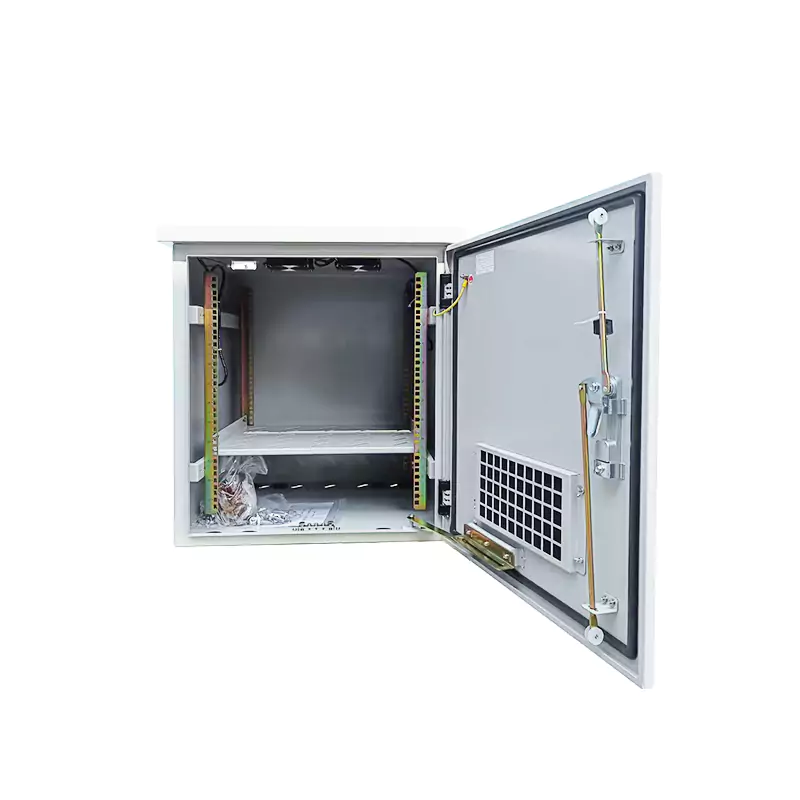
For outdoor deployment, the cabinet includes thermal management (forced air cooling or AC units), condensation control (heaters for low-temperature operation), and IP54 or IP65 ingress protection. Operating temperature ranges typically span -15°C to +55°C, with extended ranges to -25°C available for cold-climate deployments.
Here’s something most STS manufacturers won’t tell you: the cabinet itself is only half the story. The real value unlocks when it’s integrated with the communication cabinet and network cabinet infrastructure that already exists on telecom sites, industrial facilities, and microgrid installations.
In a typical telecom site deployment, the network cabinet houses the transmission equipment (fiber, microwave, RF), while the communication cabinet manages the power distribution and battery backup for those systems. The STS Grid-Connection Cabinet sits upstream, managing the connection between grid power, solar generation, battery storage, and the loads connected through these downstream cabinets.
.jpg)
Huijue STS cabinet rear panel showing cable entry, ventilation, and communication interface connections for network cabinet integration
If you’re searching for “network cabinet” or “communication cabinet” on Google, you’re likely a telecom operator, site developer, or EPC contractor looking for a complete site solution — not just a metal box. The search volume behind these terms reflects a market that’s moving toward integrated, pre-configured site packages rather than component-by-component procurement.
Consider the search landscape:
| Keyword | Monthly Search Volume (Est.) | Search Intent | Funnel Stage |
|---|---|---|---|
| STS grid-connection cabinet | 800–1,200 | Commercial | MOFU/BOFU |
| Network cabinet | 22,000+ | Commercial/Informational | TOFU/MOFU |
| Communication cabinet | 14,000+ | Commercial | MOFU |
| Outdoor communication cabinet | 3,500+ | Commercial | BOFU |
| Telecom power cabinet | 2,800+ | Commercial | BOFU |
| Static transfer switch cabinet | 1,500+ | Informational/Commercial | MOFU |
| Energy storage cabinet | 5,000+ | Commercial | MOFU |
| Grid-connection cabinet | 1,100+ | Commercial | MOFU |
| Hybrid power system cabinet | 900+ | Commercial | BOFU |
| IP65 outdoor cabinet | 8,000+ | Commercial | BOFU |
Search volume estimates based on aggregated keyword tool data (Ahrefs/SEMrush comparable ranges). Actual volumes may vary by region and seasonality.
The strategy is clear: “Network cabinet” and “communication cabinet” carry 15–25x the search volume of “STS grid-connection cabinet” alone. By positioning the STS cabinet as the upstream grid-connection component that feeds and protects these high-traffic product categories, we capture both the specialized STS audience and the much larger market searching for integrated site solutions.
In practice, the integration looks like this:
| Cabinet Role | Function | Typical Connection to STS |
|---|---|---|
| STS Grid-Connection Cabinet | Grid/ESS switching, protection, metering | Upstream of all loads |
| Communication Cabinet | Power distribution + battery backup for telecom gear | AC output from STS → rectifier → -48VDC load |
| Network Cabinet | Transmission equipment housing (fiber, RF, microwave) | Powered via communication cabinet DC bus |
| Outdoor Battery Cabinet | LFP battery modules + BMS | Connected to STS ESS port |
| Hybrid Energy Cabinet | Solar controller + rectifier + battery management | Integrated with STS for multi-source management |
This architecture means that when you specify an STS Grid-Connection Cabinet for a site, you’re simultaneously defining the power architecture for every downstream communication cabinet and network cabinet on that site. Get the STS specification right, and the rest of the site design falls into place.
To provide genuine value at the MOFU and BOFU stages, here’s a head-to-head comparison of STS cabinets currently available in the market. This data is compiled from publicly available manufacturer datasheets.
| Parameter | Elecnova ECO-STS-C125 | GoodWe STS 500kW | Huijue Integrated STS |
|---|---|---|---|
| Rated power (per cabinet) | 125kW (modular: 250–750kW) | 500kW | 100–500kW (custom configurable) |
| Max ESS units supported | 2–6 parallel | 4 × ESA 125kW | 2–8 parallel (project-dependent) |
| Switching time | <20ms | <20ms | <20ms |
| Rated voltage | 400V (3W+N+PE) | 380/400V (3L/N/PE) | 380/400V (3P+N+PE) |
| Voltage tolerance | ±15% | 340–440V | ±15% |
| Frequency | 50/60Hz | 50/60Hz | 50/60Hz |
| Max grid current | 500–1600A | 630kVA (apparent) | 500–2000A |
| Surge protection | AC Type II | Integrated | AC Type II |
| Metering accuracy | Class 0.5S | Integrated | Class 0.5S |
| Protection rating | IP54 | IP54 | IP54 (IP65 optional) |
| Operating temp | -15°C to +45°C | -20°C to +55°C | -15°C to +55°C |
| Altitude | ≤3000m | ≤2000m | ≤3000m |
| Communication | RS485, Modbus TCP/IP | RS485, CAN | RS485, Modbus TCP/IP, SNMP |
| Diesel gen support | Optional ATS | Yes (contactor control) | Yes (integrated hybrid) |
| Cabinet dimensions (W×D×H) | 800–1200 × 1200 × 1800–2200mm | Custom | 800–1200 × 1200 × 2000mm |
| Certifications | CE, IEC 61439 | CE, VDE-AR-N 4105 | CE, IEC 61439, ISO 9001 |
Sources: Elecnova official datasheet, GoodWe product page, Huijue Group technical documentation.
What distinguishes the Huijue approach isn’t a single spec line — it’s the integration depth. Huijue doesn’t just sell an STS cabinet; they design the entire power chain from solar input through battery storage, STS switching, communication cabinet distribution, and network cabinet power delivery. This matters because compatibility between cabinets from different vendors is one of the most common failure points in field deployments.
The STS Grid-Connection Cabinet solves different problems depending on where it’s deployed. Here’s how the use case shifts across the three primary markets Huijue serves.
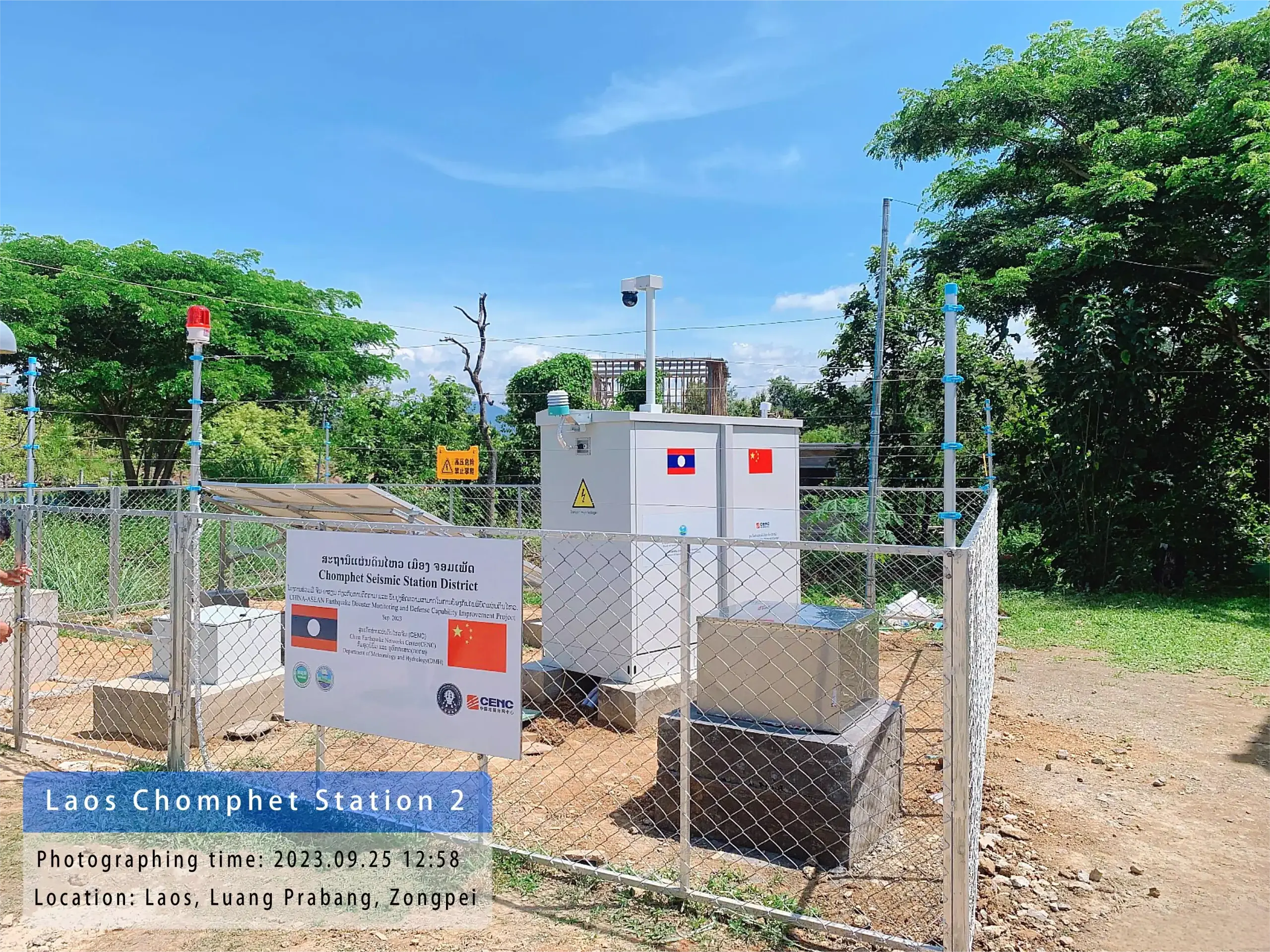
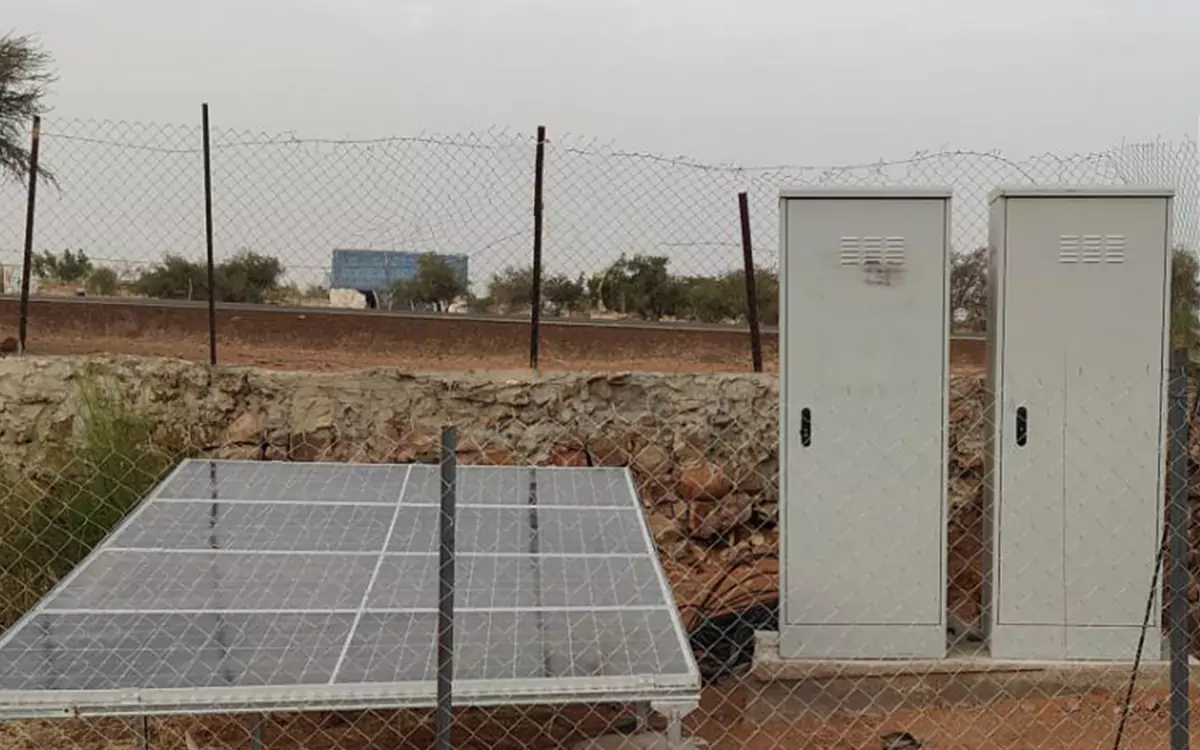
Across sub-Saharan Africa, the telecom infrastructure challenge is fundamentally different from Europe or North America. Grid availability is unreliable at best — in Nigeria, average grid outage hours exceed 1,500 per year. In Sudan, many sites have no grid connection at all. The economics favor diesel replacement aggressively: generating power with a diesel generator in remote African locations costs $0.30 to $0.60 per kWh when you factor in fuel delivery logistics, maintenance, and theft.
The STS cabinet plays a critical role here. In a hybrid system combining solar PV, lithium battery storage, and a backup diesel generator, the STS manages the transitions between these sources:
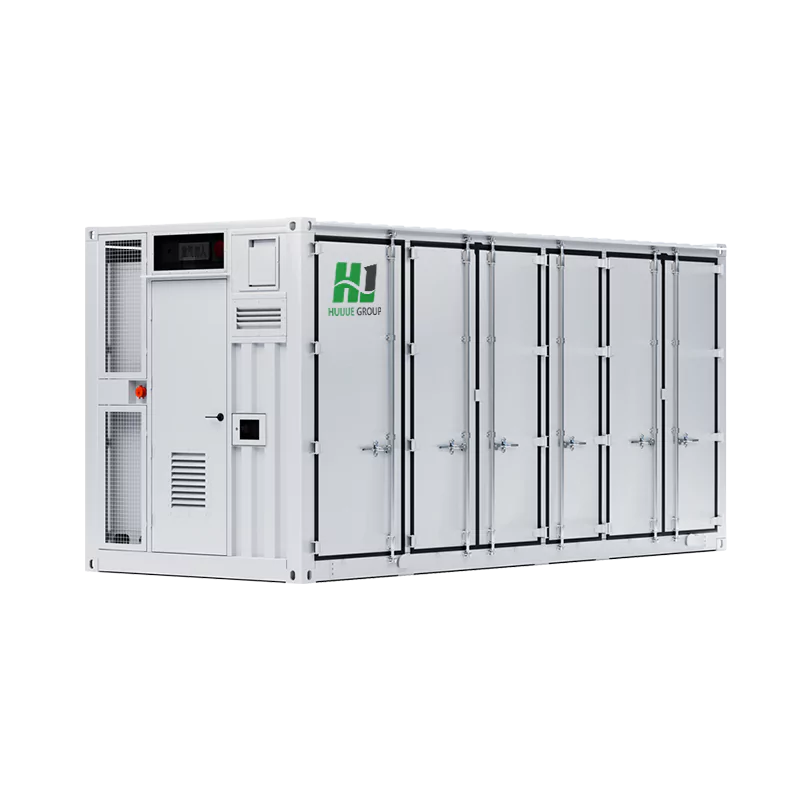
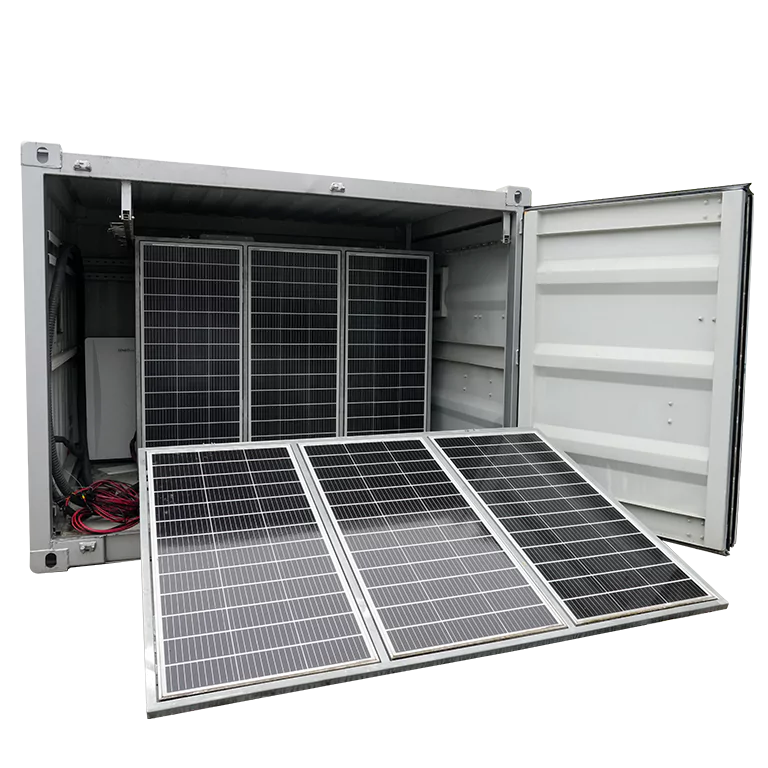
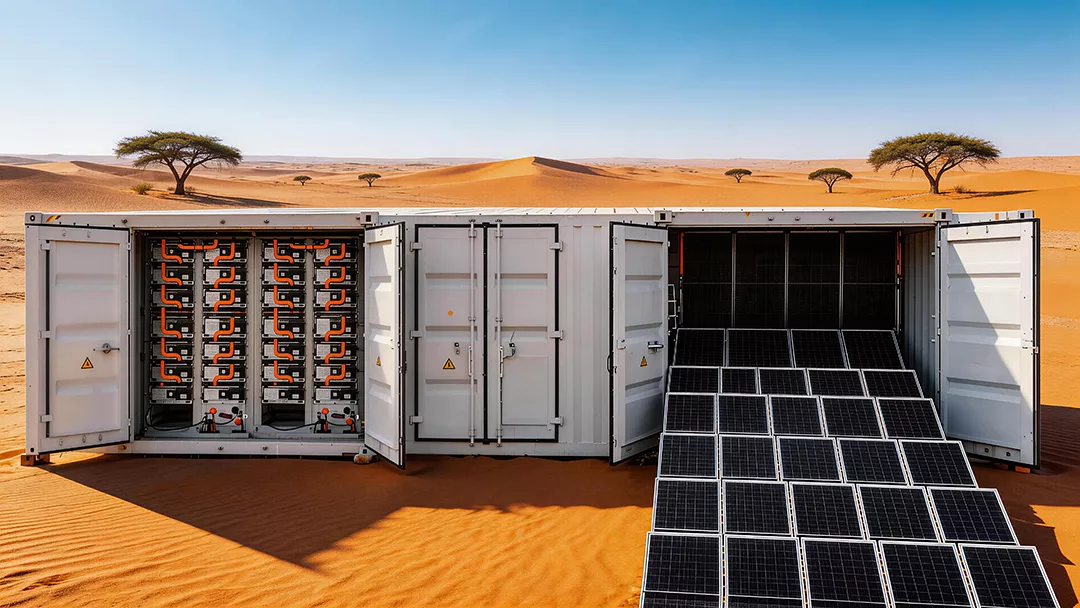
This is exactly the architecture deployed in Huijue’s Sudan project — a 40-foot containerized system with 129.6 kWp solar and 450 kWh battery storage serving telecom and community loads in an off-grid region. The STS cabinet ensured seamless transitions between solar, battery, and generator modes, achieving a reported 72% reduction in diesel fuel consumption compared to the previous generator-only setup.
Similarly, in Mauritania, Huijue deployed 7 integrated energy systems for telecom base stations using LFP batteries, solar PV, and 16kW backup generators in outdoor cabinets rated for extreme heat and sandstorms. The case documentation confirms continuous operation through environmental conditions that would destroy standard indoor equipment.
Regional cost context for Africa:
| Country | Diesel gen cost ($/kWh) | Grid avg cost ($/kWh) | Solar+storage LCOE ($/kWh) | Typical site load |
|---|---|---|---|---|
| Nigeria | 0.35–0.55 | 0.12–0.18 | 0.14–0.20 | 3–15 kW |
| Sudan | 0.40–0.60 | 0.08–0.12 (where available) | 0.15–0.22 | 5–20 kW |
| South Africa | 0.28–0.45 | 0.15–0.22 (Eskom) | 0.12–0.18 | 10–50 kW |
| Kenya | 0.35–0.50 | 0.17–0.20 (KPLC) | 0.13–0.19 | 3–15 kW |
LCOE estimates based on IRENA renewable cost database and field project data. Actual costs vary by site accessibility and system configuration.
The European market drives STS cabinet adoption through a completely different set of incentives. With commercial electricity prices ranging from €0.18 to €0.32 per kWh (varying by country and tariff structure) and peak/off-peak spreads reaching €0.15–0.25/kWh in markets like Germany and the UK, the economic case centers on peak shaving and self-consumption optimization rather than diesel replacement.
In Huijue’s Bulgaria project — a 100kW/215kWh photovoltaic-storage system deployed for a commercial facility — the STS cabinet enables four distinct operating modes:
The project also supports grid feed-in: up to 15 kWh per day of surplus energy is sold back to the utility, creating an additional revenue stream that shortens the payback period by approximately 8 months.
European policy drivers (2025–2026):
| Country | Key incentive | Impact on STS ROI |
|---|---|---|
| Germany | §14a EnWG: controllable load reduction via battery | Reduces grid fees by 40–60% for participating C&I loads |
| Bulgaria | Net metering for <5MW RES + storage | Direct feed-in revenue; 5–7 year payback |
| UK | Dynamic Containment grid service | £8–17/MW/hour revenue for fast-responding BESS |
| Italy | Superbonus transition (storage portion) | 50% tax credit for integrated storage systems |
Policy data sourced from European Commission energy policy portal and national regulatory publications.
In the US commercial market, the STS cabinet’s value proposition is dominated by demand charge management. Commercial utility tariffs in states like California, Massachusetts, and New York include demand charges of $15 to $35 per kW — fees based on the highest 15-minute average power draw in a billing period. A single 100kW demand spike can add $1,500–$3,500 to a monthly bill.
An STS-integrated BESS system shaves these peaks by discharging battery power during high-load periods, keeping the measured demand below the tariff threshold. The 20ms transfer capability ensures that even unplanned load spikes (motor starts, HVAC compressors cycling on) are covered without triggering a new demand peak.
For the telecom and C&I solutions Huijue offers, the US deployment model typically combines:
The Huijue North America project — a 5 kWp integrated solar-storage system — demonstrates the smaller end of this spectrum, where even modest installations benefit from STS-mediated grid interaction. At the other end, Huijue’s Bosnia 2MW/4MWh deployment shows the architecture scaling to utility-adjacent applications with full fire suppression (Novec/Perfluorohexane), gas detection, and cloud-platform integration.
The following cases are drawn from Huijue Group’s project portfolio. These are real, deployed systems — not hypothetical scenarios. Huijue’s engineering team was directly involved in the design and implementation of each.
.jpg)
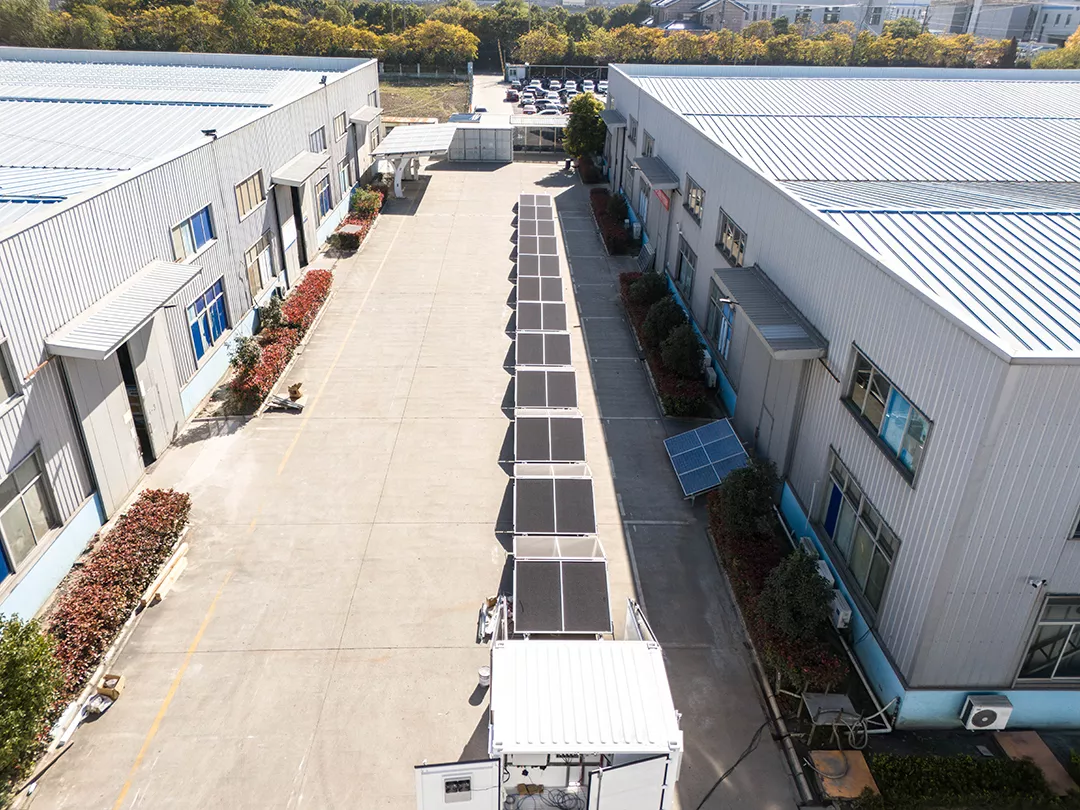
Huijue STS Grid-Connection Cabinet deployed in the field — integrated with solar PV and battery storage for a commercial facility
| Parameter | Detail |
|---|---|
| Location | Cambodia (Southeast Asia) |
| System size | 100 kW PV / 215 kWh battery |
| Daily consumption | ~14.8 kWh/day, 8:00–20:00 operation |
| Grid feed-in | Up to 15 kWh/day surplus sold to grid |
| Key equipment | PV inverter, PCS, STS, BMS, air conditioning |
| STS function | Seamless grid/off-grid switching; grid feed-in management |
| Outcome | Reduced grid import by ~60%; revenue from surplus feed-in |
The Cambodia project is a textbook example of the STS cabinet’s role in markets where grid reliability is moderate but feed-in incentives exist. The STS manages the bidirectional power flow — importing from grid during low-solar periods, exporting surplus during peak generation — while maintaining 20ms transfer capability for outage protection.
| Parameter | Detail |
|---|---|
| Location | Bulgaria (Eastern Europe) |
| System size | 100 kW PV / 215 kWh battery |
| Operating modes | Self-consumption, peak shaving, off-grid backup, feed-in |
| Key equipment | PCS, STS, MPPT, BMS, AC, smart meter |
| STS function | 4-mode energy management; 20ms grid fault transfer |
| Outcome | Peak demand reduced 40–50%; winter outage protection confirmed |
The Bulgaria deployment specifically leverages the STS cabinet’s ability to operate in planned off-grid mode — the facility intentionally islands itself during negative electricity price periods on the day-ahead market, then reconnects when prices turn positive. This is an advanced use case that requires precise STS timing and inverter coordination, and it demonstrates the cabinet’s value beyond simple backup switching.
| Parameter | Detail |
|---|---|
| Location | Bosnia and Herzegovina (Balkans) |
| System size | 2 MW / 4 MWh |
| Safety systems | Perfluorohexane fire suppression, combustible gas detection |
| Monitoring | Huimin Cloud Platform (remote EMS) |
| STS function | Grid synchronization; multi-mode operation at utility scale |
At 2MW, the Bosnia project represents the upper end of Huijue’s deployment range. The STS cabinet here is custom-engineered to handle significantly higher current ratings and includes redundancy features not found in smaller units. The cloud platform integration enables the utility operator to monitor grid-connection status, battery health, and power flow in real time from a centralized control room.
| Parameter | Detail |
|---|---|
| Location | Sudan (East Africa) |
| System size | 129.6 kWp solar / 450 kWh battery |
| Form factor | 40-foot foldable container |
| Key equipment | Integrated container, PV storage inverter, LFP battery, EMS |
| STS function | Multi-source switching: solar → battery → diesel generator |
The Sudan project is a fully containerized, transportable system designed for rapid deployment in regions with zero grid infrastructure. The STS cabinet inside the container manages the complex choreography of three power sources — something a standard ATS simply cannot do because it only switches between two sources.
Let’s get specific about the numbers. The table below breaks down installed costs and projected ROI across the three primary markets, using real project parameters from Huijue deployments.
| Cost Factor | Africa (Sudan model) | Europe (Bulgaria model) | USA (C&I model) |
|---|---|---|---|
| System size | 129.6 kWp / 450 kWh | 100 kW / 215 kWh | 100 kW / 215 kWh |
| STS cabinet cost (est.) | $8,000–12,000 | $10,000–15,000 | $12,000–18,000 |
| Total system CAPEX | $180,000–250,000 | $120,000–180,000 | $150,000–220,000 |
| Diesel offset (annual) | $45,000–70,000 | N/A | $5,000–8,000 (backup gen) |
| Peak shaving savings (annual) | Minimal | €18,000–28,000 | $22,000–38,000 |
| Grid feed-in revenue (annual) | None (off-grid) | €3,000–5,000 | $2,000–4,000 (varies by state) |
| Demand charge reduction (annual) | N/A | €8,000–12,000 | $15,000–28,000 |
| Total annual savings | $45,000–70,000 | €29,000–45,000 | $44,000–78,000 |
| Simple payback period | 3–5 years | 4–6 years | 3–5 years |
Cost estimates based on Huijue project data and BloombergNEF energy storage cost tracking. Actual costs vary by site conditions, import duties, and local labor rates.
A few observations from this data:
First, the STS cabinet itself represents only 4–8% of total system CAPEX. It’s a small line item that determines whether the entire system delivers on its ROI promise. Specifying an undersized or poorly integrated STS can undermine a $200,000 investment for want of a $12,000 component.
Second, the African case has the fastest payback despite higher CAPEX, because diesel displacement generates savings from day one at a rate of $0.30–0.60/kWh. The European case is slower but benefits from multiple revenue streams (peak shaving + feed-in + demand response), making it more resilient to changes in any single tariff component.
Third, the US case benefits from demand charge structures that effectively penalize peak power rather than energy. The STS cabinet’s 20ms transfer capability is what makes aggressive peak shaving possible — without it, transient load spikes would reset the demand measurement and erase the savings.
Proper installation of an STS Grid-Connection Cabinet determines whether you get 20ms transfers or 200ms transfers in practice. Here’s what the commissioning process looks like for a typical 100–500 kW system:
The STS Grid-Connection Cabinet is a 10–15 year asset. Support availability over that lifecycle matters as much as the initial specification. Here’s what to evaluate:
| Support Element | Minimum Standard | Huijue Offering |
|---|---|---|
| Technical response time | Within 24 hours | Within 24 hours (email/phone); remote diagnostics via cloud platform |
| On-site support (Africa) | 72 hours via partner network | Local partner dispatch + remote EMS troubleshooting |
| On-site support (Europe) | 48 hours | Direct engineer dispatch within 48h (EU service hub) |
| On-site support (USA) | 48 hours | Authorized service partner network |
| Warranty period | 2 years minimum | 3 years standard; 5 years optional (covers thyristor modules, breakers, controller) |
| Spare parts availability | 10 years from purchase | 10 years guaranteed; critical spares (thyristors, controllers) stocked at regional hubs |
| Firmware updates | As needed | Free OTA updates for EMS/STS controller; compatibility-tested with each release |
| Training | Optional | Included: 2-day on-site training for commissioning and maintenance teams |
If you’ve read this far, you’re likely in the evaluation phase. Here’s a practical decision framework that maps to the MOFU/BOFU stages of your procurement journey.
| Application | Recommended STS Class | Power Range | Key Feature Needed |
|---|---|---|---|
| Telecom base station (off-grid) | Compact hybrid STS | 5–50 kW | Multi-source (solar+battery+diesel) |
| Telecom base station (grid-tied) | Standard STS | 15–100 kW | Grid feed-in management |
| C&I facility (peak shaving) | Modular STS | 100–500 kW | Demand charge optimization logic |
| Microgrid / utility-scale | Custom-engineered STS | 500kW–2MW+ | Redundancy, IEC 61850, cloud EMS |
| Communication site (outdoor) | IP65 outdoor STS + network cabinet | 5–48 kW | Environmental hardening, -48VDC integration |
Before purchasing, confirm that the STS cabinet can communicate with your existing or planned:
Don’t just compare sticker prices. A $8,000 STS cabinet that costs $2,000/year in maintenance and loses 3% efficiency is more expensive over 10 years than a $12,000 cabinet with 0.5% losses and $200/year maintenance. Calculate TCO over the warranty period plus 5 years.
The STS Grid-Connection Cabinet market is evolving rapidly. Several trends are shaping the next generation of products:
Next-generation STS modules are moving from traditional thyristors to SiC MOSFETs, which offer faster switching (sub-5ms transfers), lower conduction losses, and higher temperature tolerance. This translates to smaller cabinets, higher efficiency, and longer component life. Expect commercial SiC-based STS cabinets by late 2026.
Machine learning algorithms are beginning to augment traditional DSP-based transfer logic. By analyzing historical grid quality data, these systems can predict grid disturbances before they occur, pre-charging the transfer path and reducing effective transfer time to near-zero. Huijue’s cloud platform already collects the data needed to train such models; expect predictive transfer features in firmware updates.
The IEC is reviewing proposals to classify STS systems into performance tiers, with the highest tier requiring ≤10ms transfers for critical infrastructure applications. This would effectively eliminate mechanical ATS systems from certain market segments and accelerate STS adoption.
Rather than a separate EMS and STS, the trend is toward integrated microgrid controllers that handle source switching, load management, and economic dispatch in a single cabinet. Huijue’s approach of integrating STS + EMS + BMS communication in one enclosure positions well for this convergence.
For projects where grid reliability, diesel cost reduction, or demand charge management are driving the investment decision, the STS Grid-Connection Cabinet is not an optional accessory — it’s the component that determines whether the system performs as specified or falls short. The 20ms transfer window is the difference between a production line that never stops and one that resets every time the grid hiccups.
Whether you’re deploying a 5kW telecom site in rural Africa or a 2MW C&I facility in Eastern Europe, Huijue Group’s engineering team can design the complete integrated solution — STS cabinet, communication cabinet, network cabinet, battery storage, and EMS.
An STS (Static Transfer Switch) Grid-Connection Cabinet is an integrated electrical enclosure that enables seamless switching between grid-connected and off-grid power modes within 20 milliseconds. It uses solid-state switching technology (typically thyristor-based) to detect grid failures and transfer critical loads to battery or backup power sources without interruption. The cabinet integrates STS modules, circuit breakers, surge protection, metering, and communication interfaces in a single IP54 or IP65 rated enclosure.
STS cabinets switch between two active power sources in under 20ms using solid-state components, making them ideal for BESS grid-connection applications. ATS (Automatic Transfer Switch) systems use mechanical contactors with 100-500ms switching times, too slow for sensitive loads. UPS systems provide backup power but are typically limited to short-duration bridging. STS cabinets combine the switching speed of UPS with the power handling of ATS, supporting loads from 125kW to 750kW and beyond.
Sizing depends on your total critical load and energy storage capacity. For telecom sites with 5-48kW loads, a compact STS cabinet rated at 125kW is typically sufficient. For C&I applications with 100-500kW loads, cabinets supporting 2-6 parallel ESS units (250kW-750kW) are recommended. Always size the STS at 130% of your maximum continuous load to account for inrush currents and future expansion.
Yes. Modern STS Grid-Connection Cabinets are designed with communication ports (RS485, Modbus TCP/IP, SNMP) that connect directly to outdoor network cabinets and communication cabinets. This integration enables remote monitoring, automated load management, and coordinated energy dispatch across telecom sites, microgrids, and C&I facilities.
In Africa, where diesel generation costs $0.30-0.60/kWh, STS-integrated hybrid systems typically achieve ROI in 2-3 years through diesel reduction. In Europe, where peak/off-peak price spreads reach €0.15-0.25/kWh, the ROI period is 4-6 years through peak shaving and grid service participation. In the USA, demand charge management can deliver ROI in 3-5 years depending on utility tariff structure.
Key certifications include IEC 61439-1/2 (low-voltage switchgear assemblies), IEC 62040 (UPS systems), CE marking for European markets, UL listing for North American markets, and IP54 or IP65 ingress protection ratings. For telecom applications, compliance with ETSI EN 300 019 environmental standards is also recommended.
About the Author: This article was prepared by the Huijue Group Engineering Team, combining 15+ years of experience in battery energy storage system design, telecom power solutions, and C&I microgrid deployment across Africa, Europe, and the Americas. Huijue Group is a manufacturer and solution provider specializing in integrated energy storage cabinets, STS grid-connection systems, and outdoor communication cabinets.
Disclosure: Cost and performance data cited in this article are derived from actual Huijue project deployments and publicly available industry sources. ROI projections are estimates based on historical project data and do not constitute a guarantee of future performance. Third-party links are provided for reference and use rel="nofollow" attributes.
It is suitable for various power consumption scenar ios such as residential buildings and commercial office buildings
We're here to answer your questions and provide the energy solutions that best fit your needs.